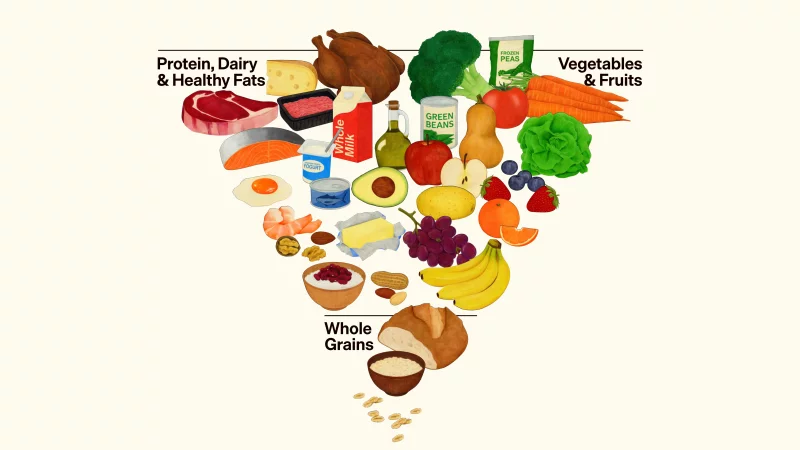
The U.S. Food Pyramid just received a major update and it’s already shaping how consumers, brands, and institutions think about what goes on the plate.
U.S. Department of Agriculture/U.S. Department of Health and Human Services
01. what are the changes?
The new guidance emphasizes real, whole foods and a move away from highly refined and ultra-processed products. Protein and dairy now play a central role, with red meat, cheese, vegetables, and fruits positioned at the top of the pyramid. There’s also a renewed focus on limiting added sugars, cutting back on alcohol, and avoiding salty and sweet snack foods.
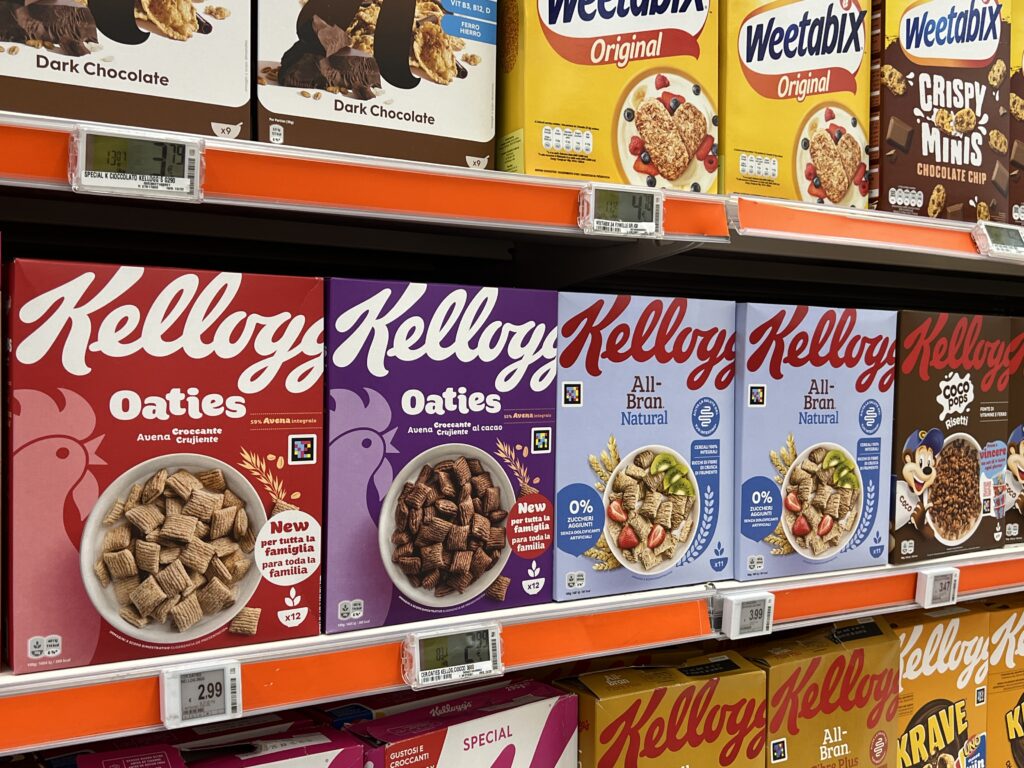
Health officials are encouraging Americans to steer clear of pre-packaged, prepared, and ready-to-eat foods, calling for diets rooted in minimally processed ingredients. Alongside this, new petitions are pushing the FDA to remove certain ingredients commonly found in ultra-processed foods.
02. how this is changing consumer behavior
Consumers are already responding. We’re seeing:
- Increased scrutiny of ingredient lists
- Growing skepticism toward “ultra-processed” claims
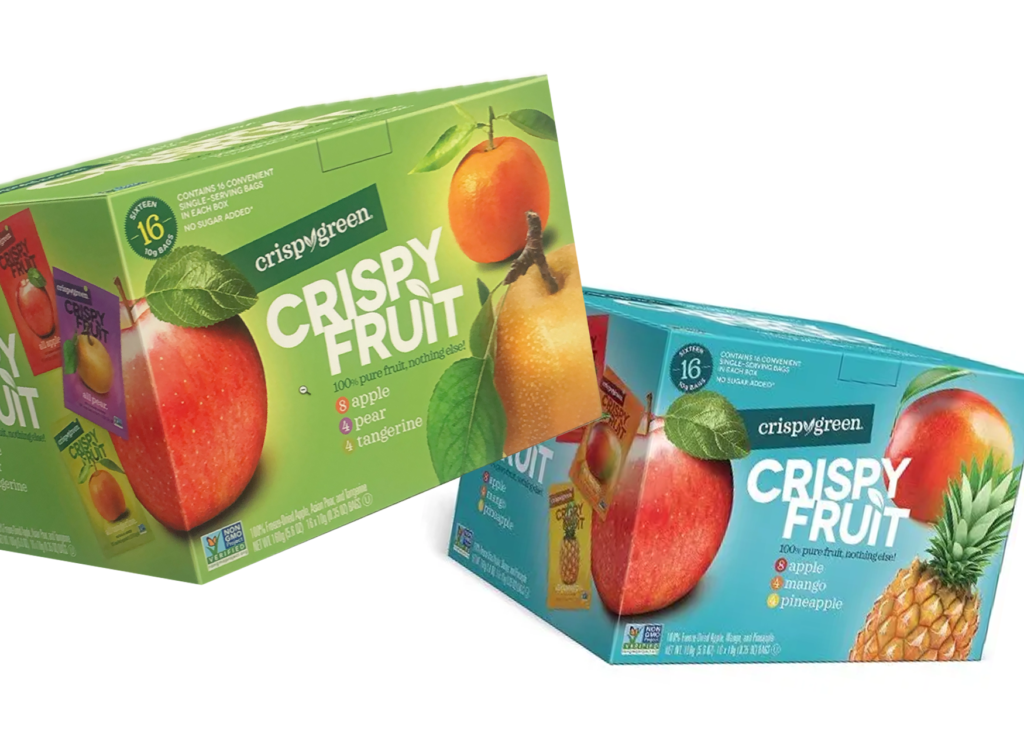
- Stronger preference for brands that highlight simplicity, sourcing, and nutrition
- More demand for clear, honest labeling and packaging
Food choices are becoming values-based decisions, not just taste or convenience purchases.
03. what this means for cpg brands
For consumer packaged goods companies, these updates may require real adjustments:
- Reformulated products
- Updated ingredient messaging
- New compliance or labeling requirements
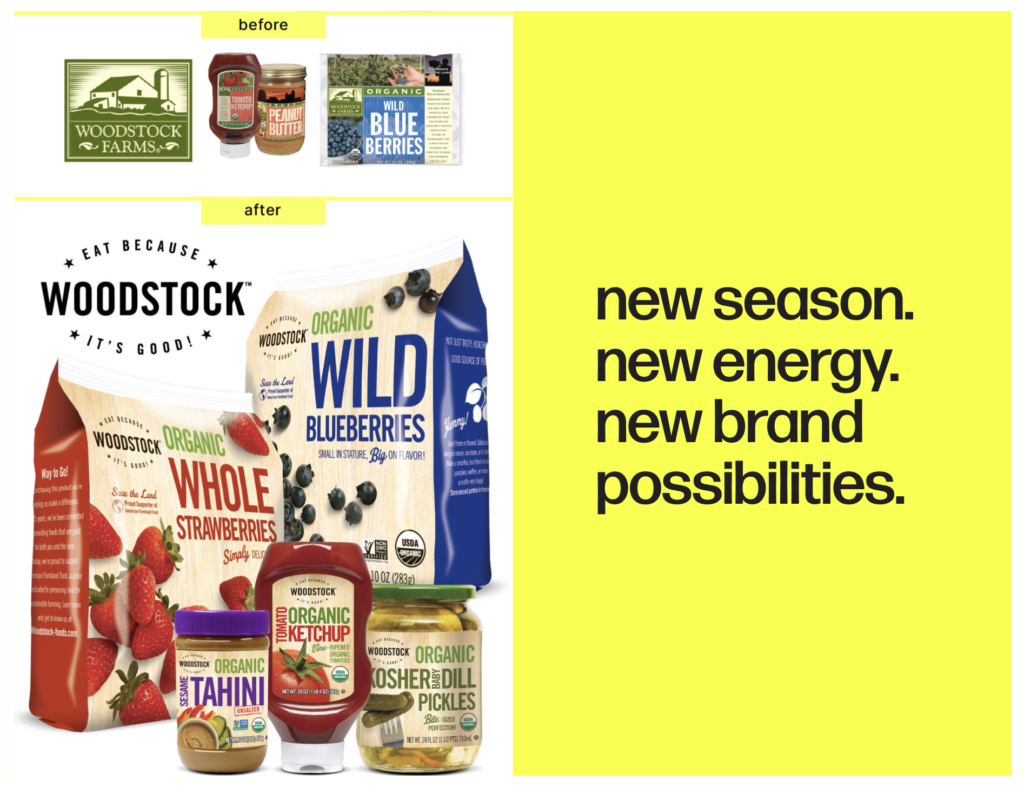
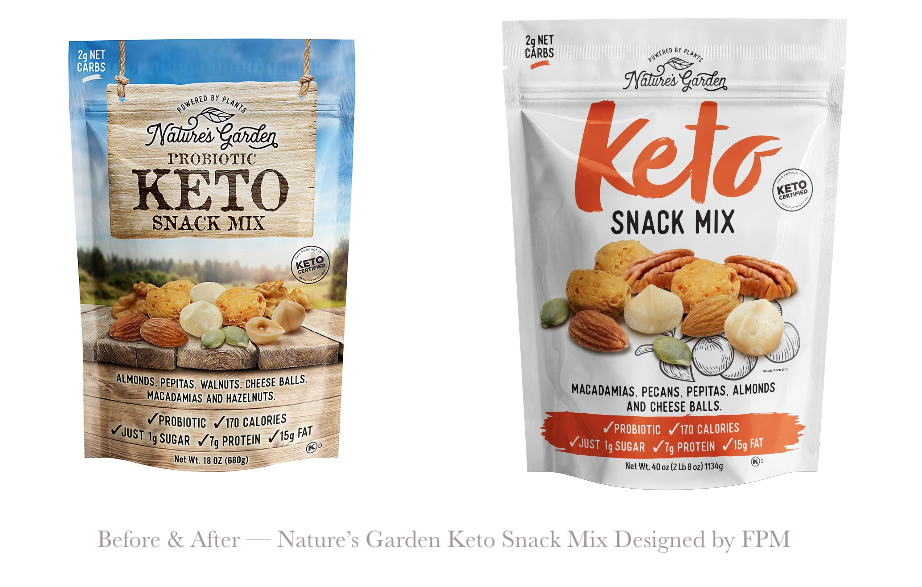
- Packaging that better reflects transparency and trust
As expectations shift, brands that adapt quickly will stand out.
fpm can help
At FPM, we help brands navigate change without losing momentum. Whether you’re refreshing packaging, reworking nutrition panels, clarifying ingredient stories, or repositioning a product line, our team is here to support you through every step. Click below to book a consultation.
until next time,