fpm brief

The FPM Brief, a new series of articles on consumer CPG research and behavior, highlights how research insights fuel creative intelligence in packaging design, branding, and marketing. By analyzing consumer interactions and purchasing drivers, we reveal strategies that enable brands to connect authentically with their audience, empowering them to stand out in today’s competitive market.

Read one of our latest articles

Designing Tomorrow: Navigating the Frontiers of Intelligent Design in 2026

What Makes Gen Z Click, Share, and Buy?

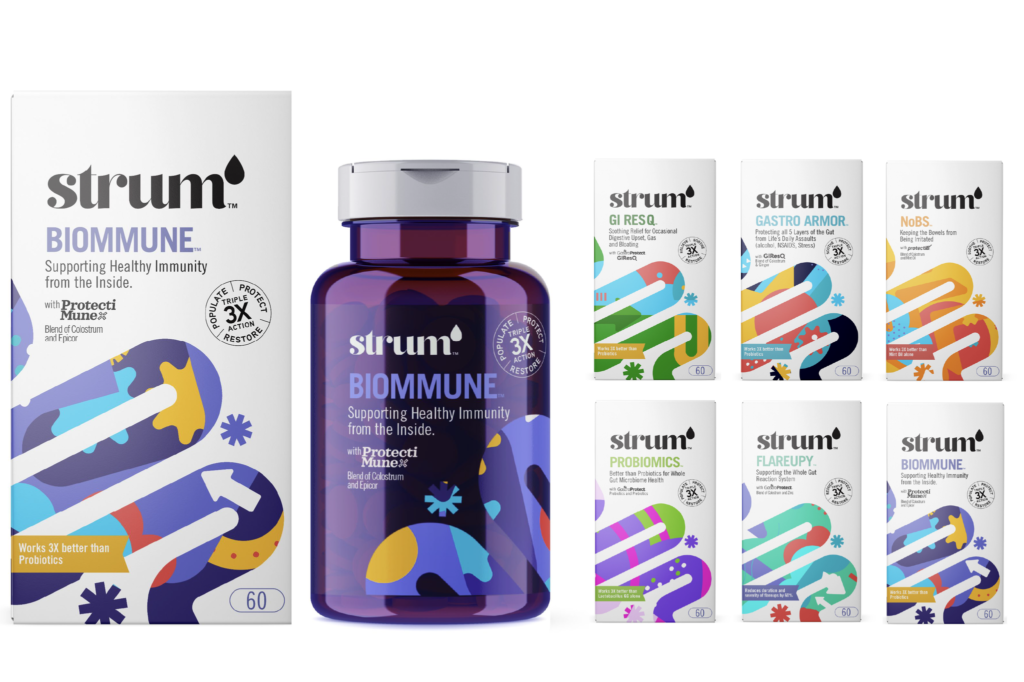
Gen Z is redefining the rules of consumer packaging, and it’s more than just eye candy. From the thrill of unboxing to the nostalgic pull of Y2K aesthetics, today’s young consumers are drawn to packaging that’s fun, shareable, and full of personality. We’re breaking down four key trends shaping how Gen Z connects with brands.
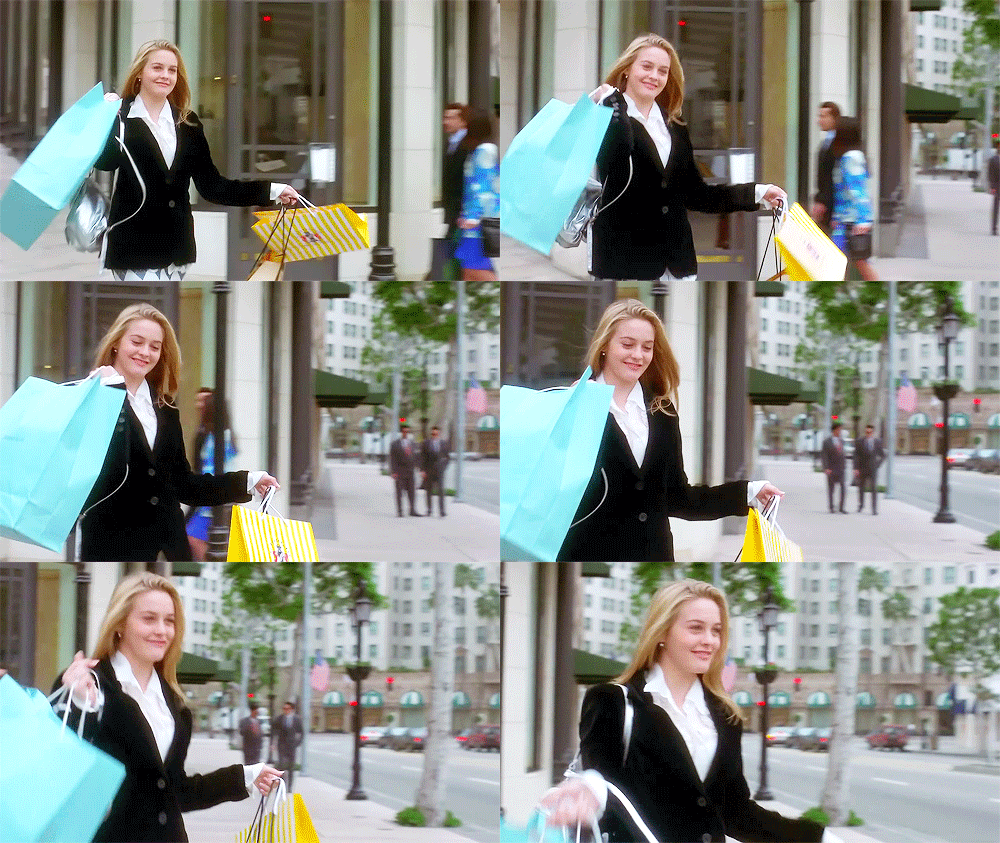
01. unboxing as entertainment

Gen Z is drawn to packaging that is both visually striking and engaging. Eye-catching designs such as holographic elements, unique textures, and bold formats capture their attention and encourage social media sharing, enhancing brand visibility.

02. the “ugh, aesthetic”

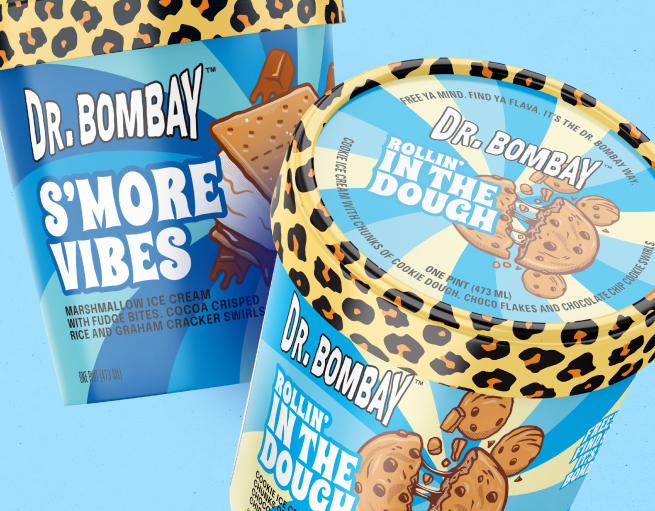
Gen Z is highly responsive to nostalgic elements inspired by the early 2000s. Incorporating bright colors and dynamic, unconventional designs such as ironic, maximalist or Y2K-inspired looks evokes a sense of childhood familiarity, fostering a strong emotional connection with the brand.

03. size and share-ability

Collecting has seen a significant resurgence in popularity among Gen Z, driven partly by the growing trend of surprise boxes. Designing product packaging in single-serve, pocketable, or stackable formats appeals to this collector mindset, making it easy for Gen Z consumers to collect, trade, or share with friends. This enhances brand visibility and positions the product as a desirable and valuable item.

04. packaging as personality

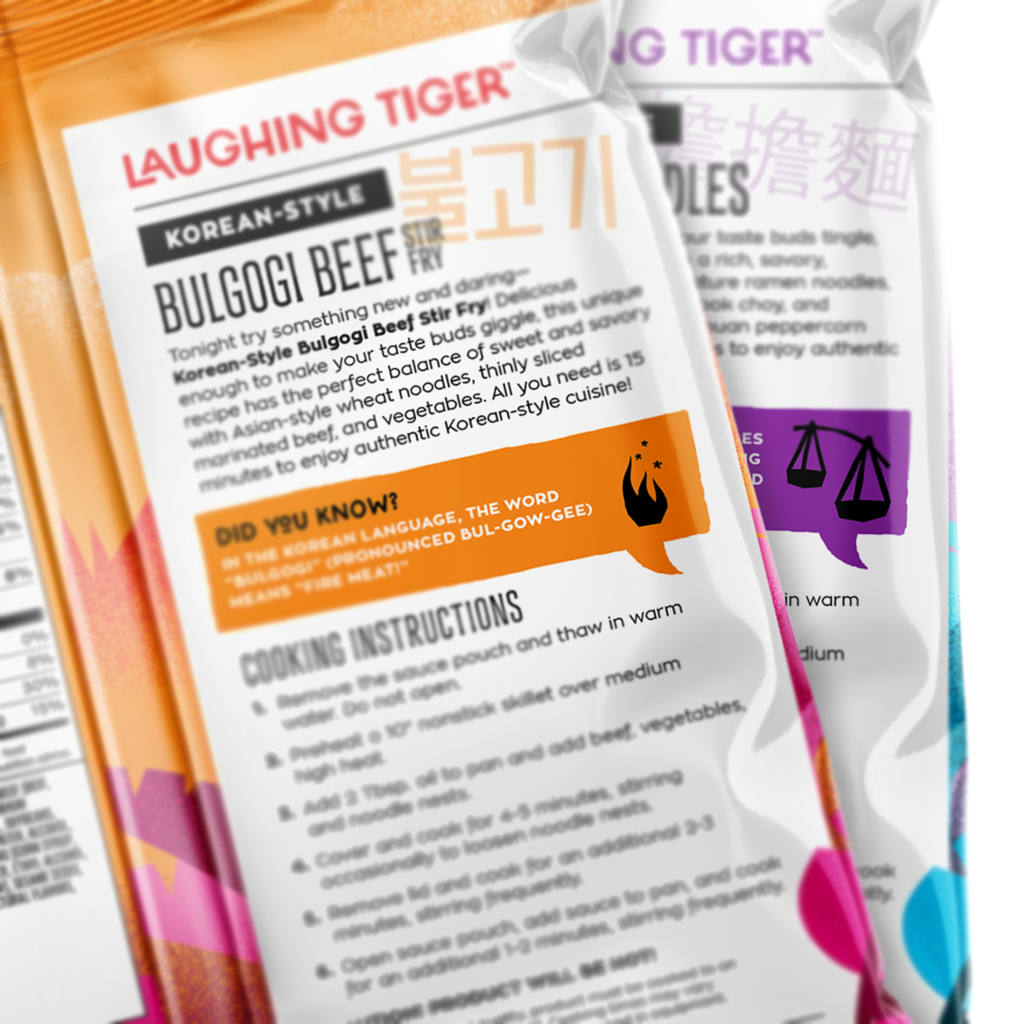
Gen Z is growing up in a digital landscape saturated with advertisements and AI-generated content, leading them to seek genuine emotional connections with the brands they engage with. Incorporating emotional expression and humor into copy and design helps foster that connection, making the brand feel more authentic and relatable, ultimately enhancing credibility and trust among Gen Z consumers.

until next time,

Other research you might be interested in

AI is not replacing packaging designers—it’s supercharging them. From ideation to testing, AI is changing how we build packaging that performs.
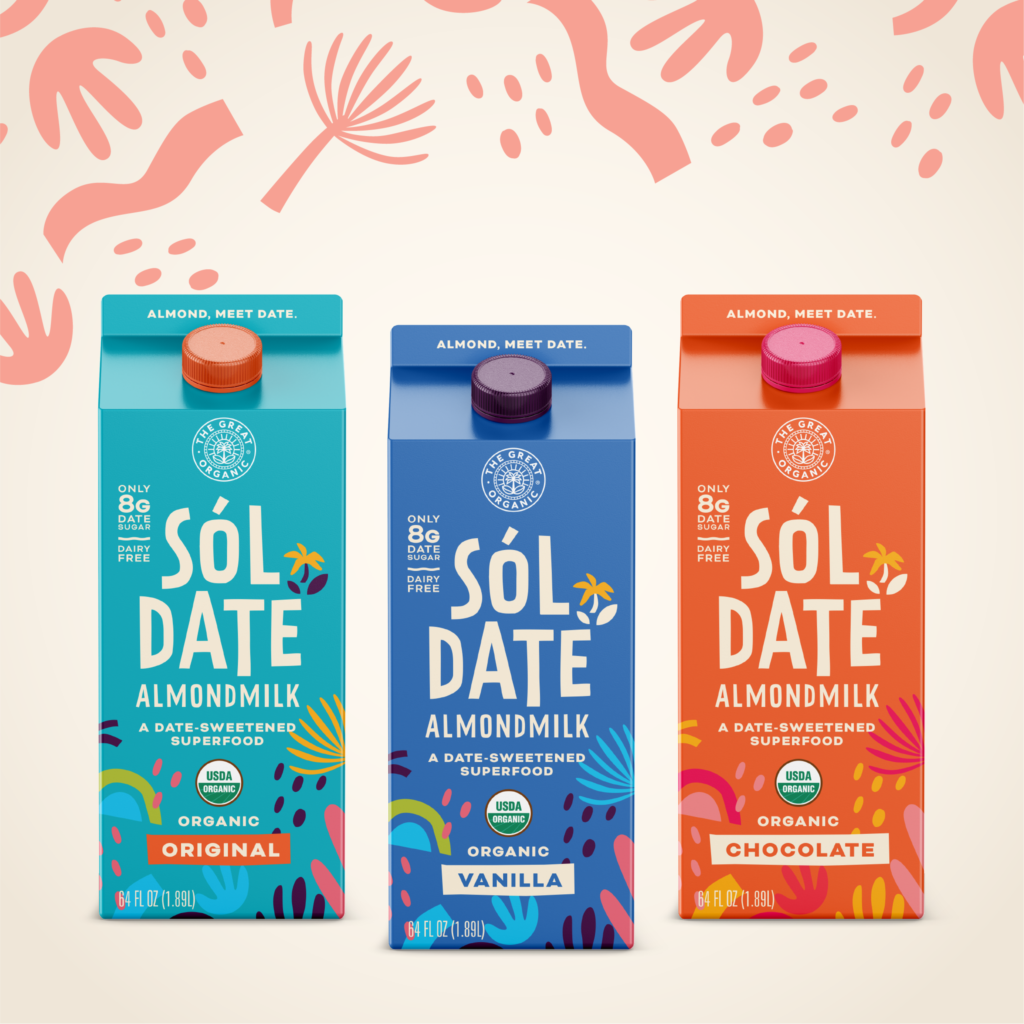
Gone are the days of soft tones and safe neutrals. Consumers are hungry for bold, joyful packaging that feels energetic, expressive, and full of life—especially on crowded shelves or social feeds.
When every dollar’s doing double duty, your packaging design better work. Packaging that pulls its weight doesn’t just sit pretty; it grabs attention, tells a story fast, and nudges that hand toward the cart. Smart choices in layout, hierarchy, and emotional spark can boost your brand’s vibe and value without dropping extra cash on ads. That’s the beauty of intelligent design: it saves money, sells better, and still turns heads on shelf. 
In today’s competitive retail landscape, the science behind what gets noticed and what gets purchased, extends far beyond attractive packaging. Shelf science combines elements of psychology, design, and consumer behavior to understand how shoppers make decisions in-store. From color placement to eye-level positioning, every detail is engineered to influence attention and, ultimately, drive conversion.
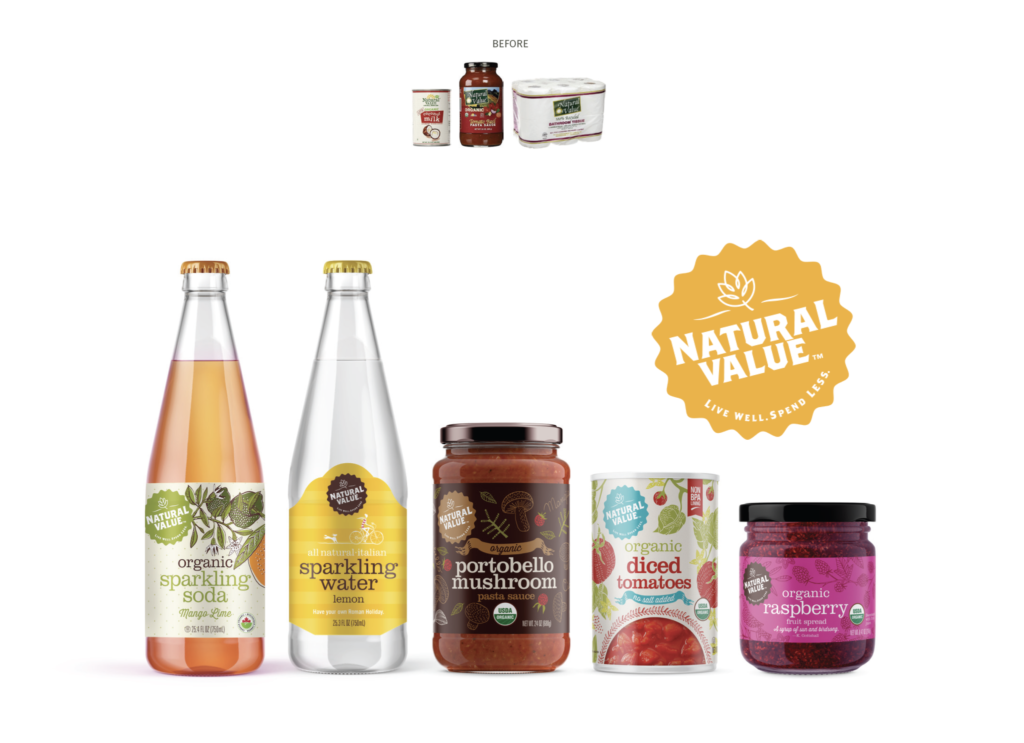
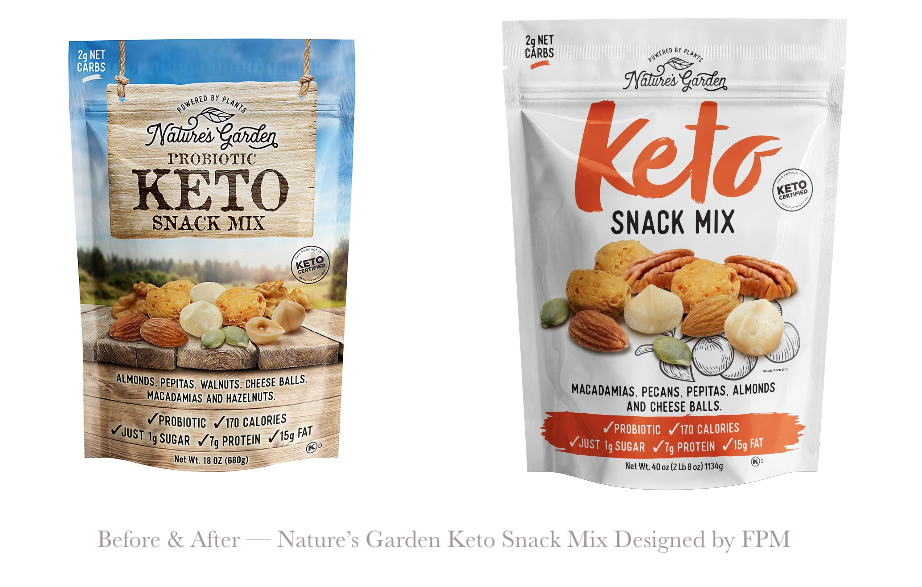
Is your brand stuck in last season? See the difference a bold refresh can make with our stunning before-and-after branding transformations. Let your business shine brighter this summer with a visual identity that’s fresh, modern, and made to communicate your product’s benefits more effectively! Book your branding update today!
Seeking a CPG design partner that combines strategic insight with breakthrough creativity? Look no further. We craft packaging rooted in consumer behavior, market trends, and brand positioning—designed not just to stand out on shelves, but to resonate deeply with your consumer.
If you’re looking for a future-forward CPG partner who knows how to make your brand pop, you’re in the right place.
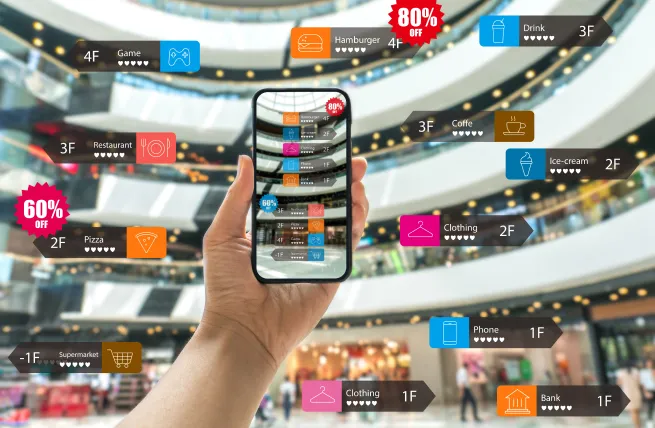
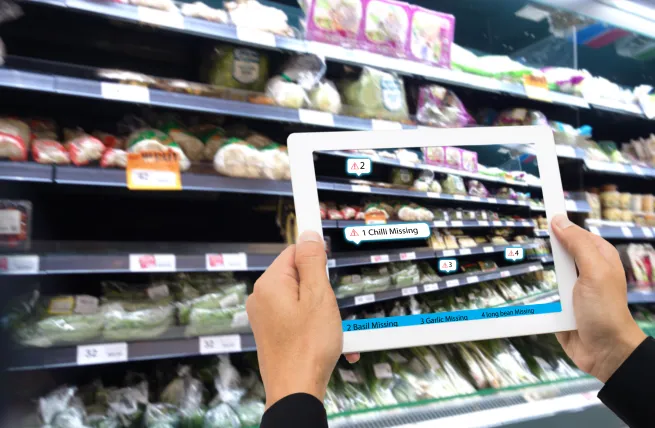
Augmented Reality (AR) is revolutionizing packaging design in 2024, offering consumers futuristic and immersive experiences that captivate and engage. This week, we explore how AR is transforming consumer interactions with products, particularly in the technology sector.
As we move further into the digital age, the role of packaging is expanding beyond traditional functions. The integration of IoT (Internet of Things) elements into packaging is not just an innovation; it is a fundamental shift in how we perceive and interact with products. We live in an age where packaging designs can be intelligent, sustainable, and aesthetically advanced.
In today’s rapidly evolving professional landscape, the transformative power of Artificial Intelligence (AI) is reshaping every industry. In packaging design, AI is emerging as a game-changer, enhancing creativity, optimizing workflows, and generating design variations based on consumer insights and preferences. This synergy between AI and human intelligence is setting the stage for a new era of design innovation.
Packaging design is evolving rapidly, shifting from a static form to an interactive experience. In our fast-paced, media-driven society, consumers are no longer passive recipients; they are active participants who influence and are influenced by the products they use. This paradigm shift has led to the rise of interactive packaging design, a cutting-edge approach that prioritizes user experience and fosters a reciprocal relationship between consumers and products.
In today's technologically advanced landscape, chatbots are transforming how businesses interact with their customers. These electronic conversational agents leverage natural language processing and machine learning to automate interactions, providing users with an engaging and efficient way to access corporate services.
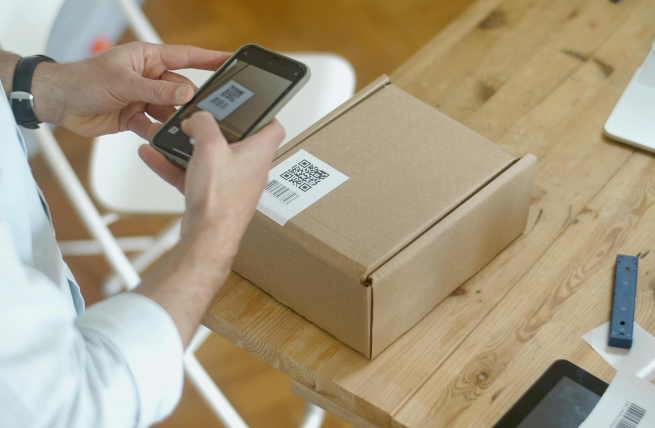
In today's market, consumers demand more transparency and accountability from the brands they trust. Intelligent packaging, augmented with QR codes, meets this demand by providing detailed narratives about a product's journey, sourcing, authenticity, and environmental impact. This innovation turns packaging into an interactive gateway, enhancing consumer engagement and trust.
In the ever-evolving world of design, the dichotomy between minimalist and maximalist packaging design offers a fascinating contrast, much like two sides of a finely crafted coin. These distinct aesthetic approaches, though seemingly opposed, each have their own merits and ideal applications, showcasing their true potential in different contexts.
In today's eco-conscious market, companies are leveraging color to convey sustainability messages effectively. Natural hues, particularly green, have become synonymous with eco-friendliness. However, recent research reveals that the saturation of these colors significantly impacts consumer perceptions of a product's sustainability.
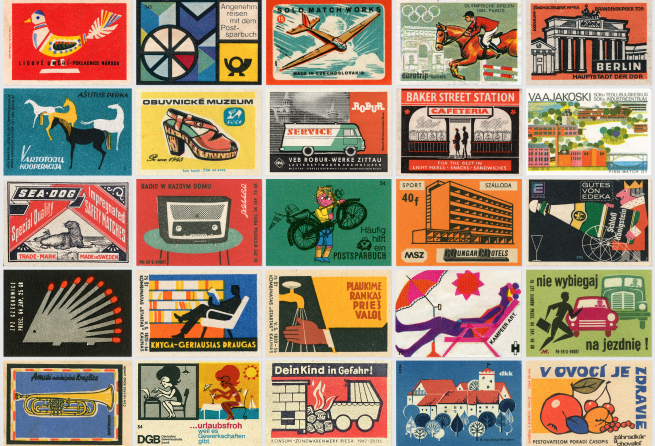
Nostalgia, that bittersweet longing for the past, has become a powerful tool in marketing, particularly in packaging design. It serves as a visual time machine, transporting consumers to earlier eras and creating immediate connections with their personal histories. Whether it’s the vibrant and psychedelic aesthetics of the 1960s or the bold, neon-soaked styles of the 1980s, retro-inspired packaging resonates deeply with consumers. For older demographics, this connection is even more poignant, allowing them to relive cherished memories from their youth.
In the realm of packaging aesthetics, a fascinating phenomenon known as white space plays a crucial role in how design elements interact with their surroundings. White space refers to the amount of empty space around a message or design element. Some packaging designs, like Apple's iconic approach, embrace generous white space to evoke simplicity and elegance. In contrast, other designs, such as Kraft's Macaroni and Cheese packaging, venture into reduced white space, creating a vibrant and visually intense tapestry where images and text closely intertwine.
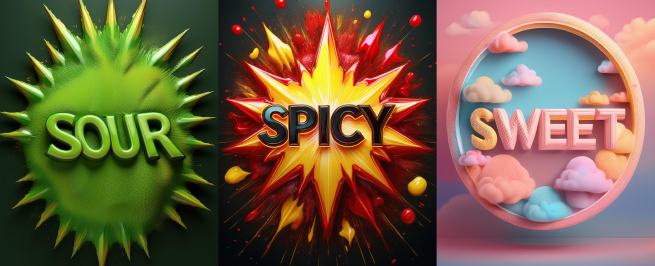
The association between visual shapes and taste perceptions has long captivated sensory psychologists and packaging designers. One particularly intriguing observation is that individuals often associate curved and symmetrical shapes with sweetness, while angular and asymmetrical shapes are more commonly linked to other basic tastes such as sourness, bitterness, saltiness, and umami. This phenomenon, known as crossmodal correspondence, highlights the intricate interplay between visual and gustatory stimuli.
Graphic designers seamlessly blend images, typography, and interactive media to craft compelling messages and user experiences. But where do their ideas originate, and how do they transform them into designs? While intuition is often cited as a crucial element, the specifics of how graphic designers harness it remain somewhat mysterious.
Marketing research highlights the intricate relationship between nostalgia, consumer preferences for product shapes, and the underlying mechanism of social connectedness. Understanding how nostalgia influences these preferences is crucial for designers aiming to create appealing and effective products.

Subscribe to fpm brief

Stay connected and subscribe to our newsletter for the latest insights on today’s ever-changing CPG culture and market trends.

Book a Consultation
Tell us about yourself
Send Us A Message
Tom Foerstel : Founder & President

Tom Foerstel

Founder & President

Growing up in the San Francisco Bay Area in the 60’s, Tom developed a strong desire to create positive change for people and planet.

He went on to pursue his passion for art and design at Art Center College of Design in Pasadena, California, and worked for design firms in Southern California before moving to Boise, Idaho in the early 80’s. Foerstel Design opened its doors in 1985. Since its inception, the firm has cultivated a bold, happy, forward-looking team focussed on creating distinct and effective work on behalf of their clients.

An integral part of Tom’s philosophy is giving back to the community in which he lives — a company cornerstone that drives Foerstel’s long history of providing pro-bono services to local non-profit humanitarian and arts programs.

One of Tom’s proudest personal achievements is his ability to say Supercalifragilisticexpyalidocious backwards.