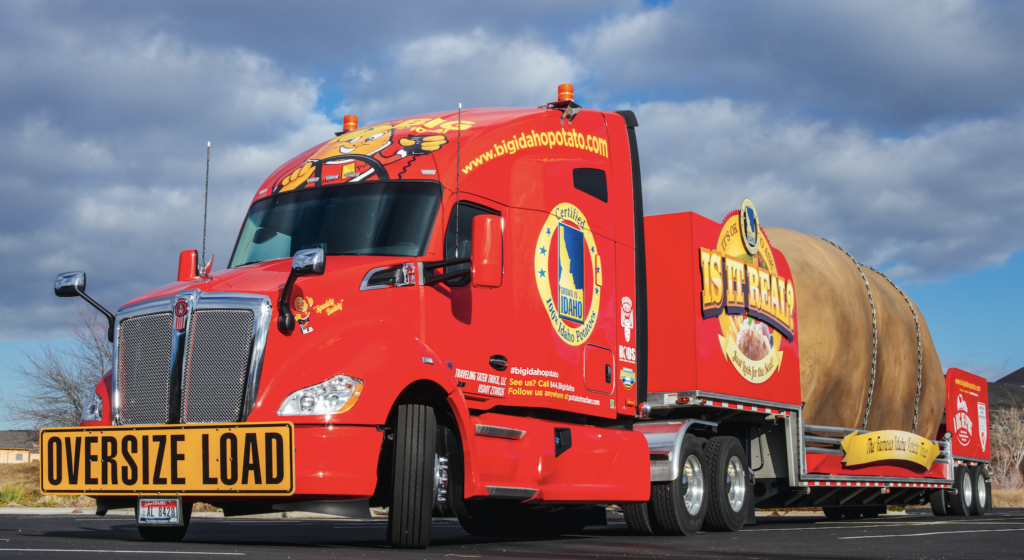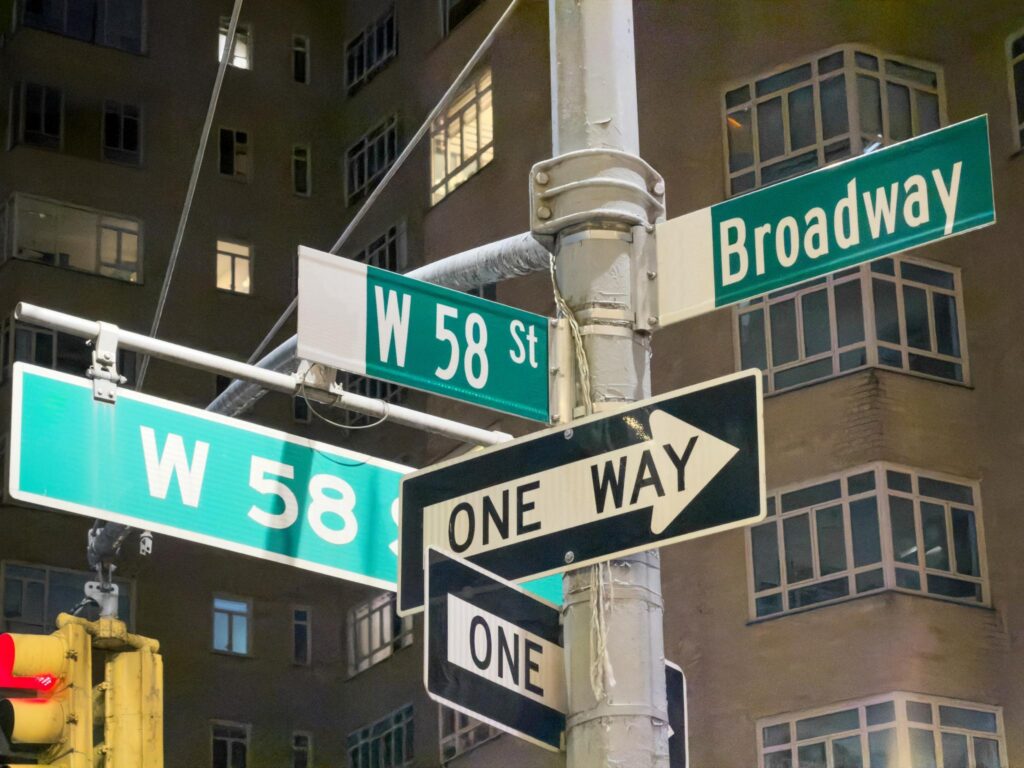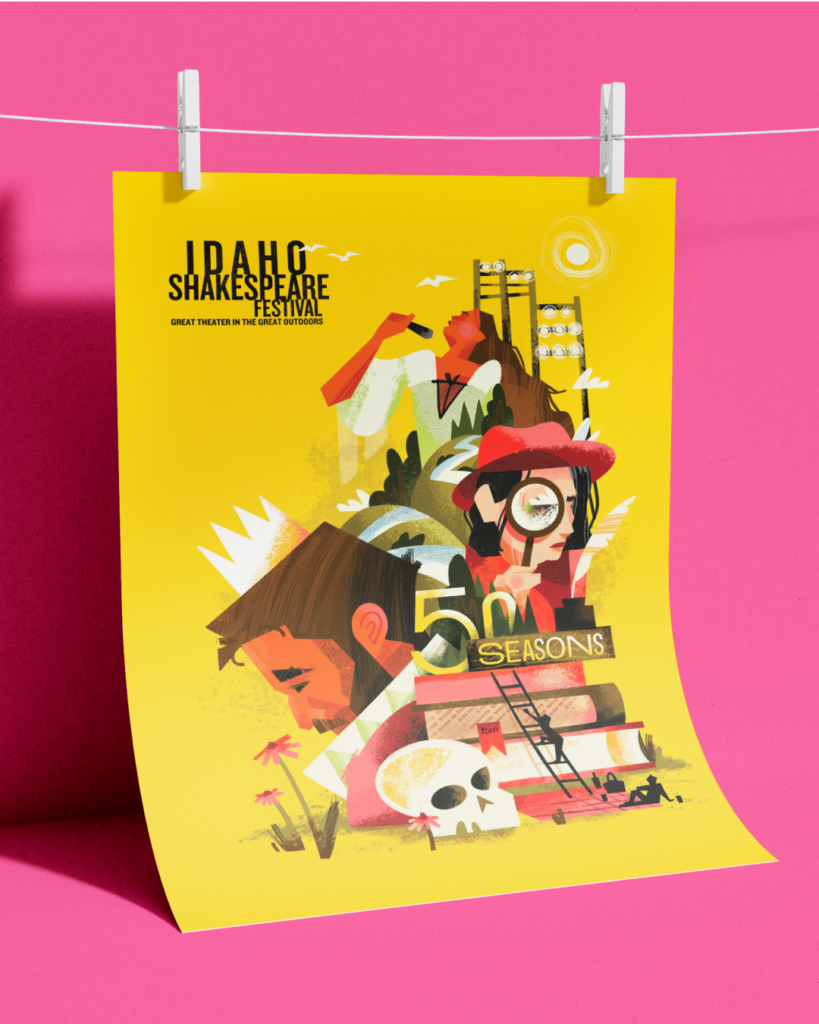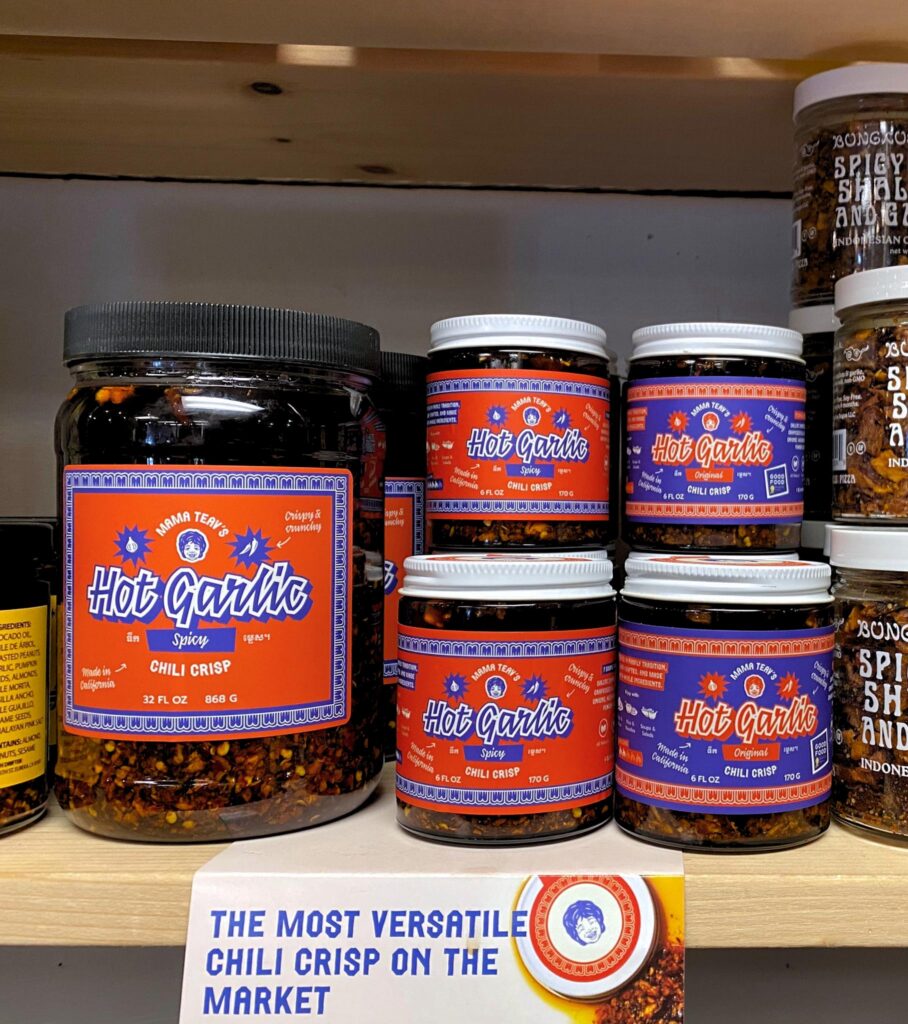

Good design can feel effortless, but there’s usually a lot happening behind the scenes. From the way your eye moves across a page to the amount of space around a logo, small design decisions can make a big difference.
For the first edition of our Mini Design Lessons series, we’re starting with one of the most important principles in design: hierarchy.
01. what is hierarchy?
Hierarchy is the way design guides your eye through information.
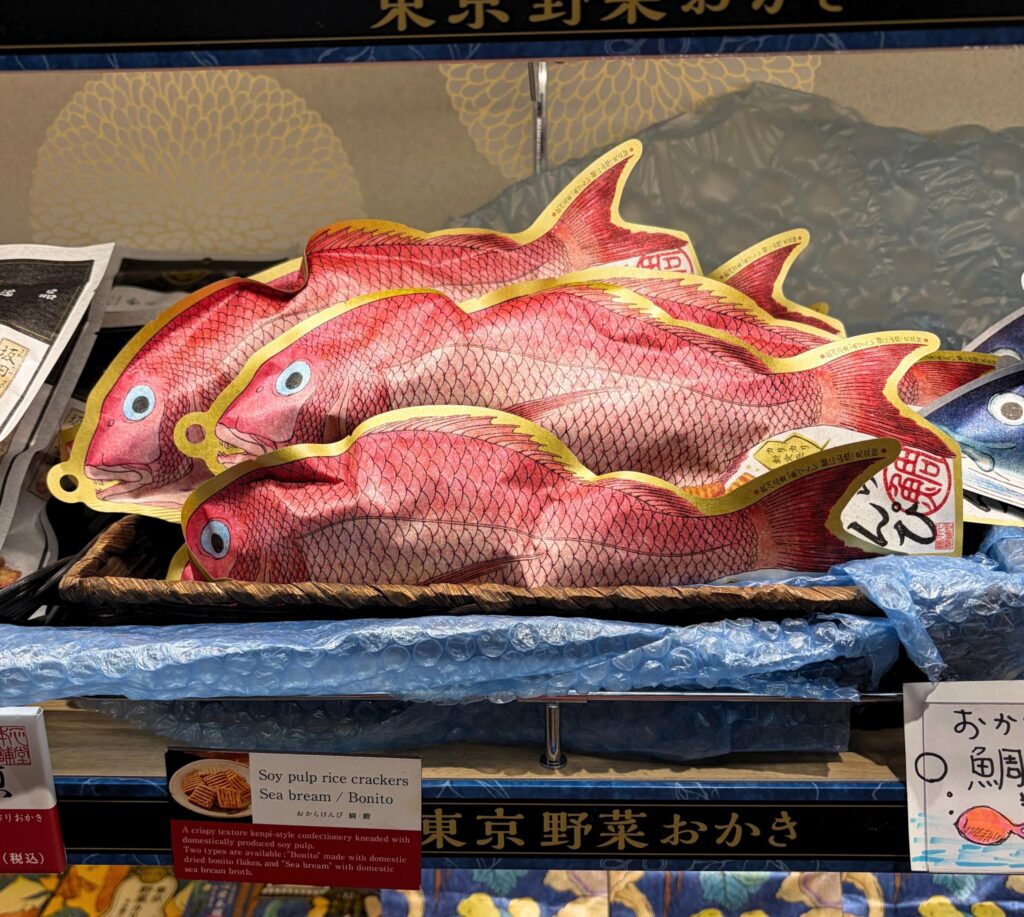
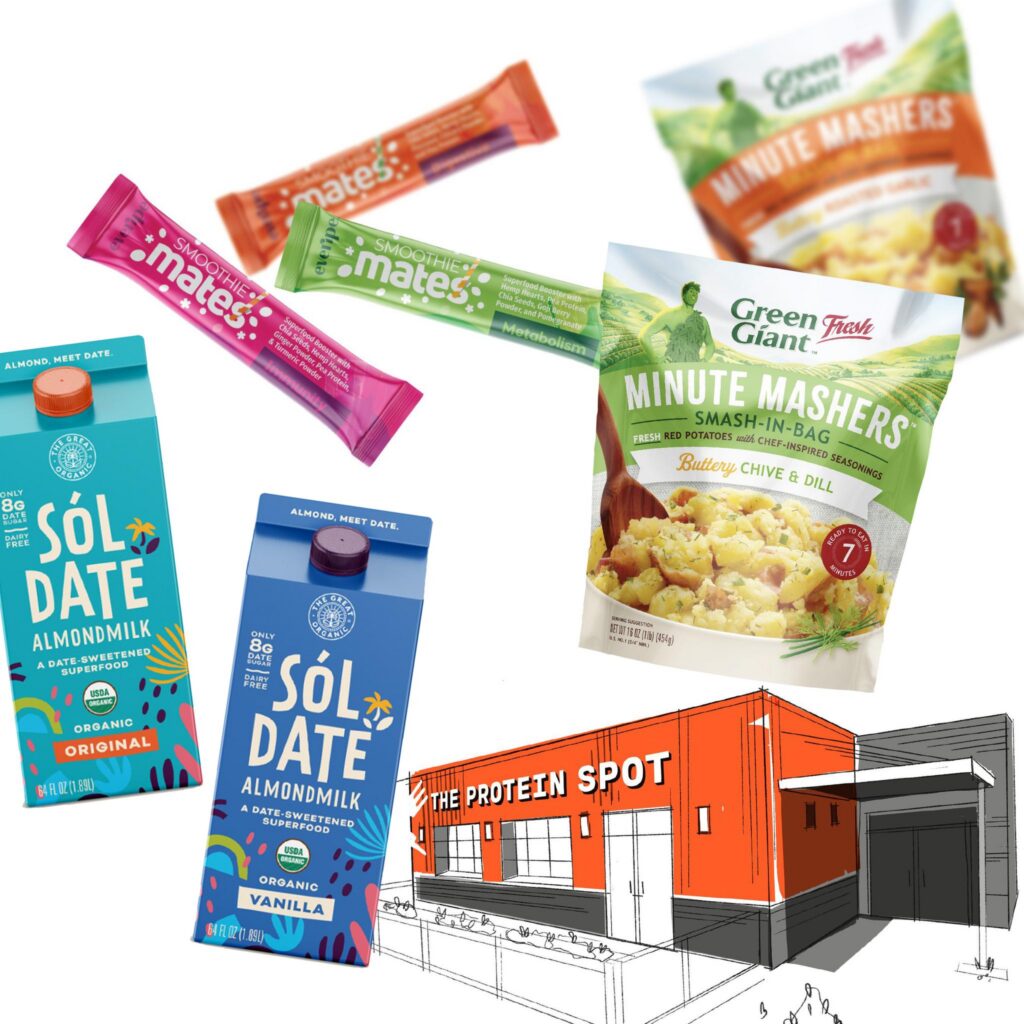
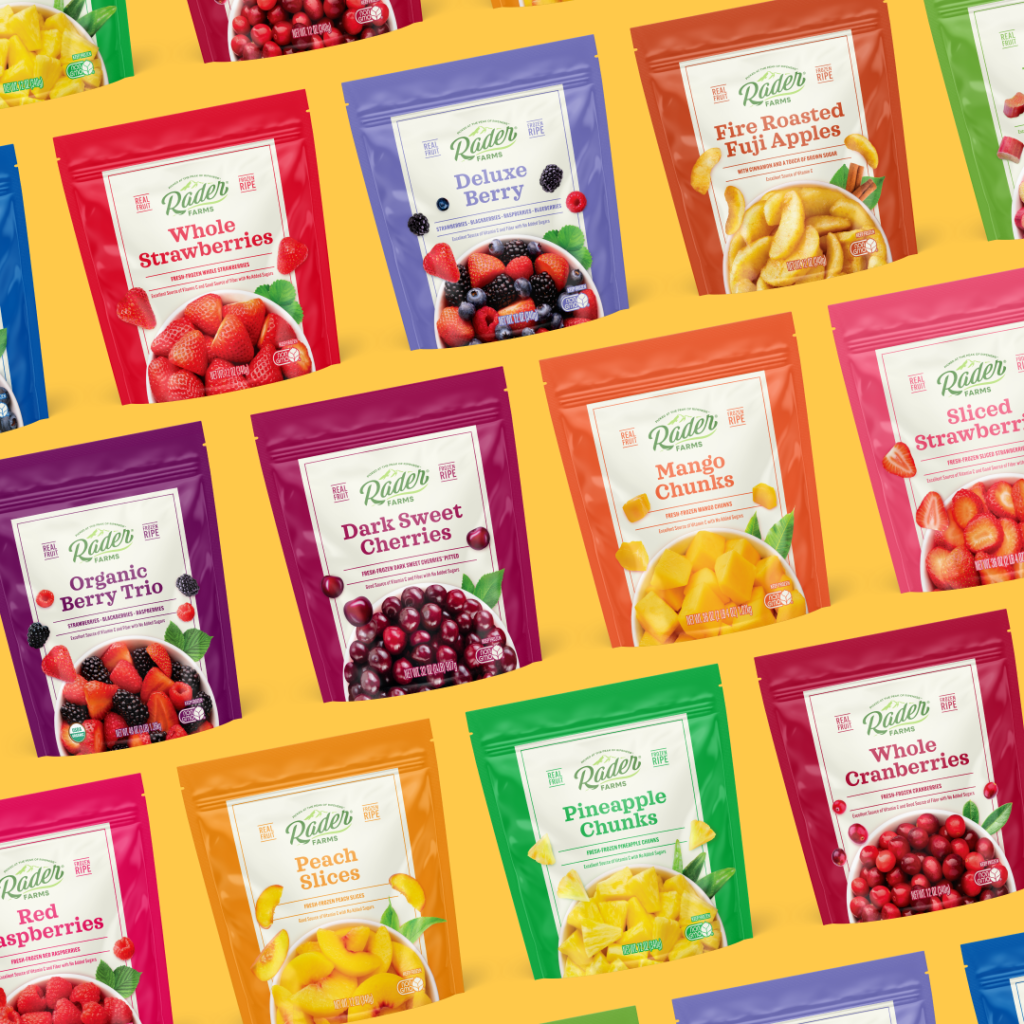
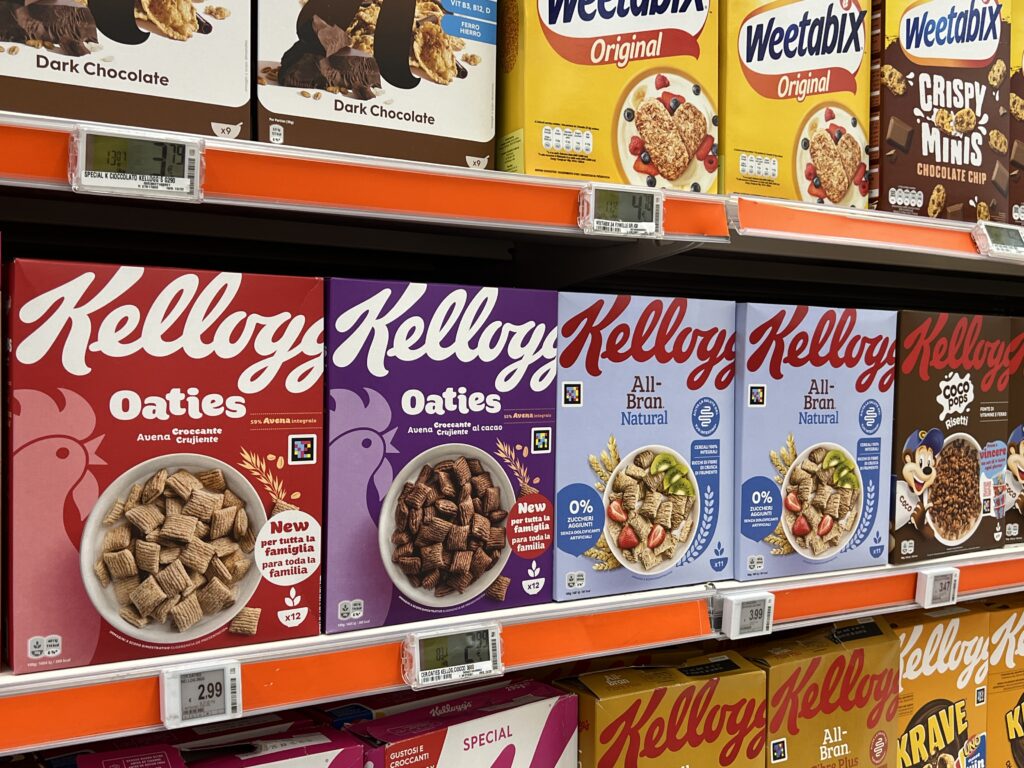
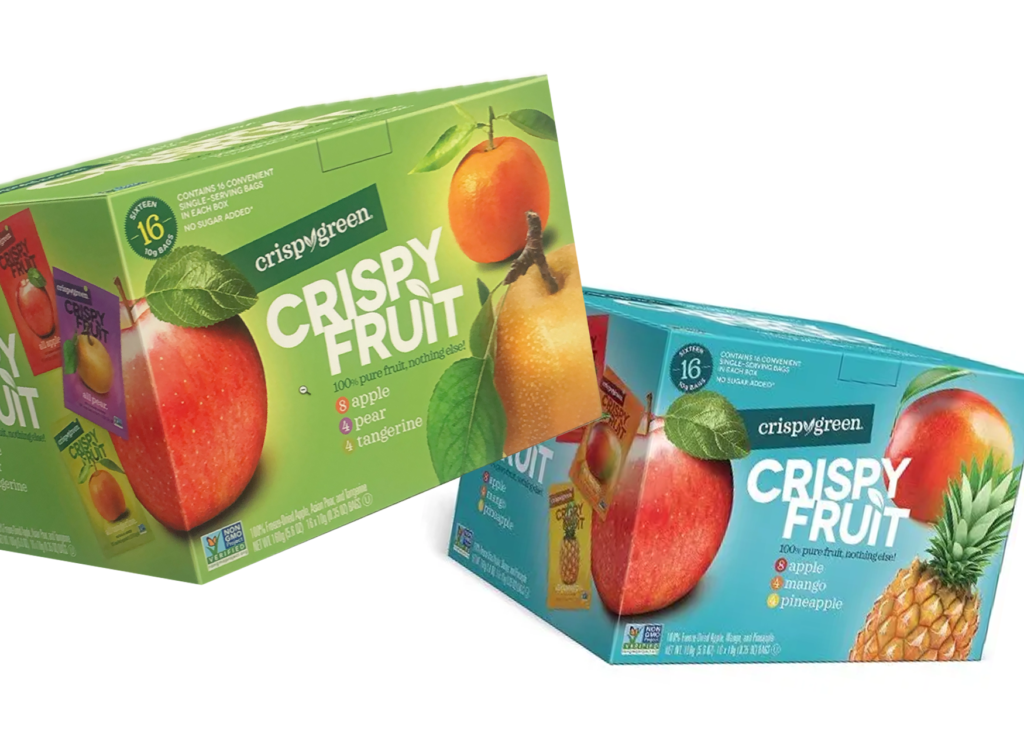
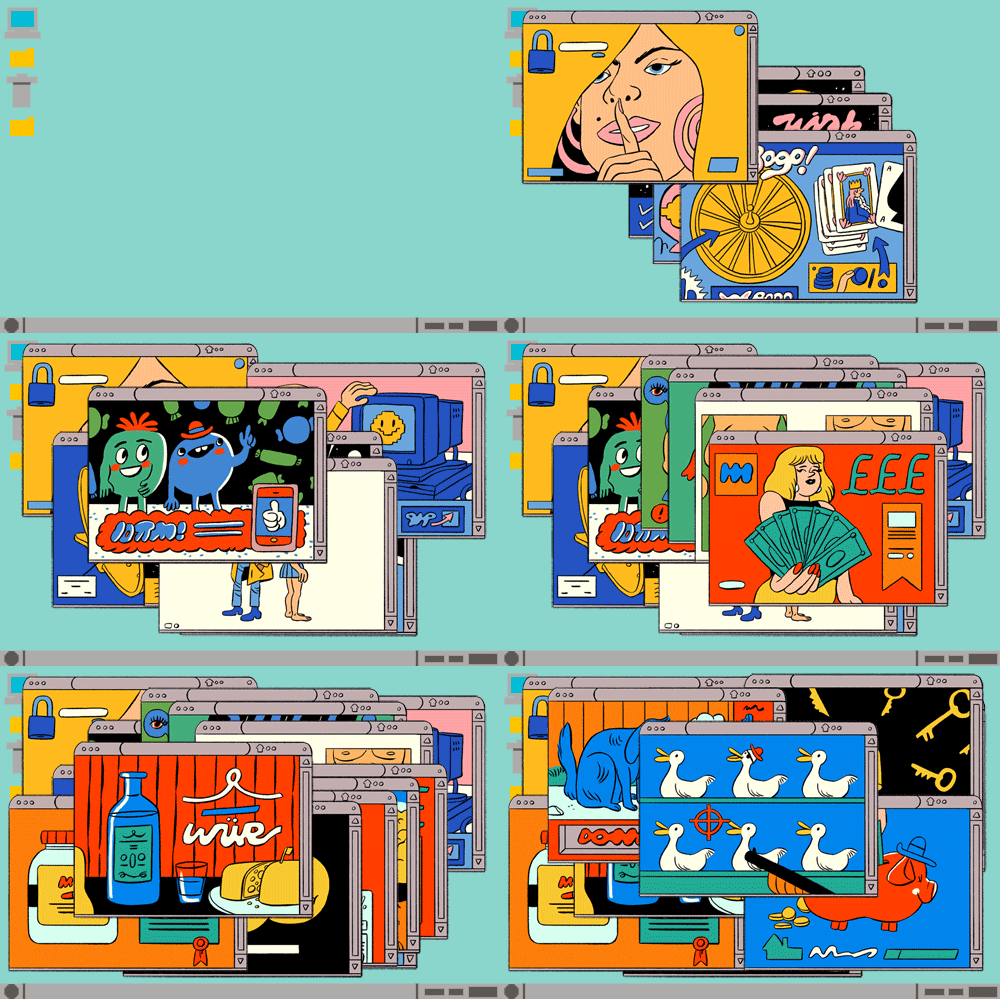
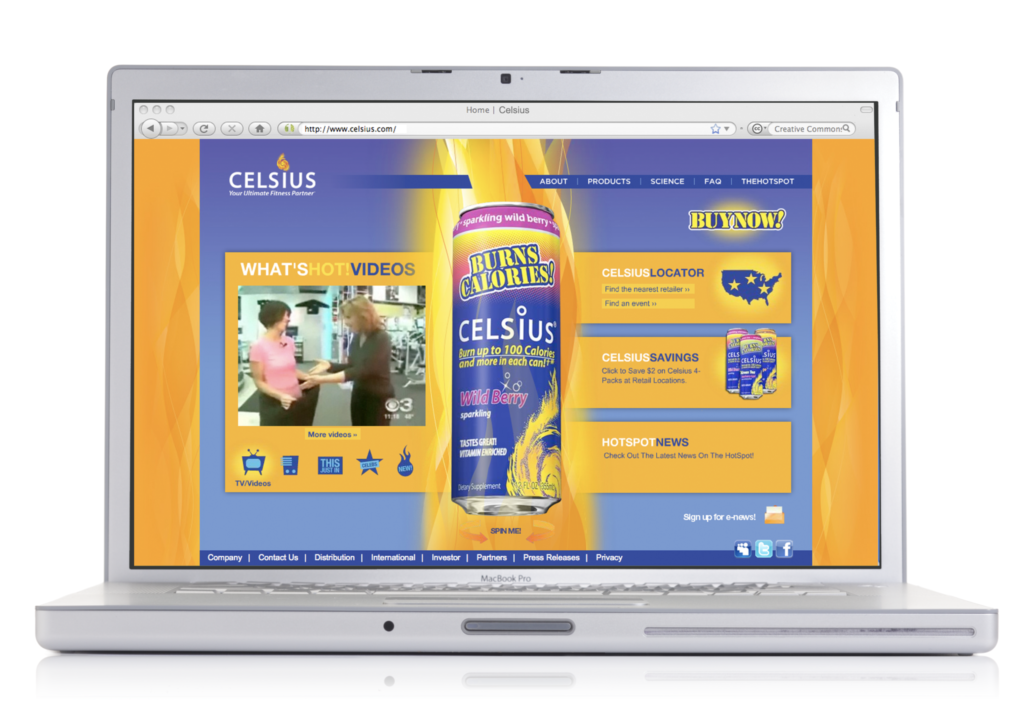
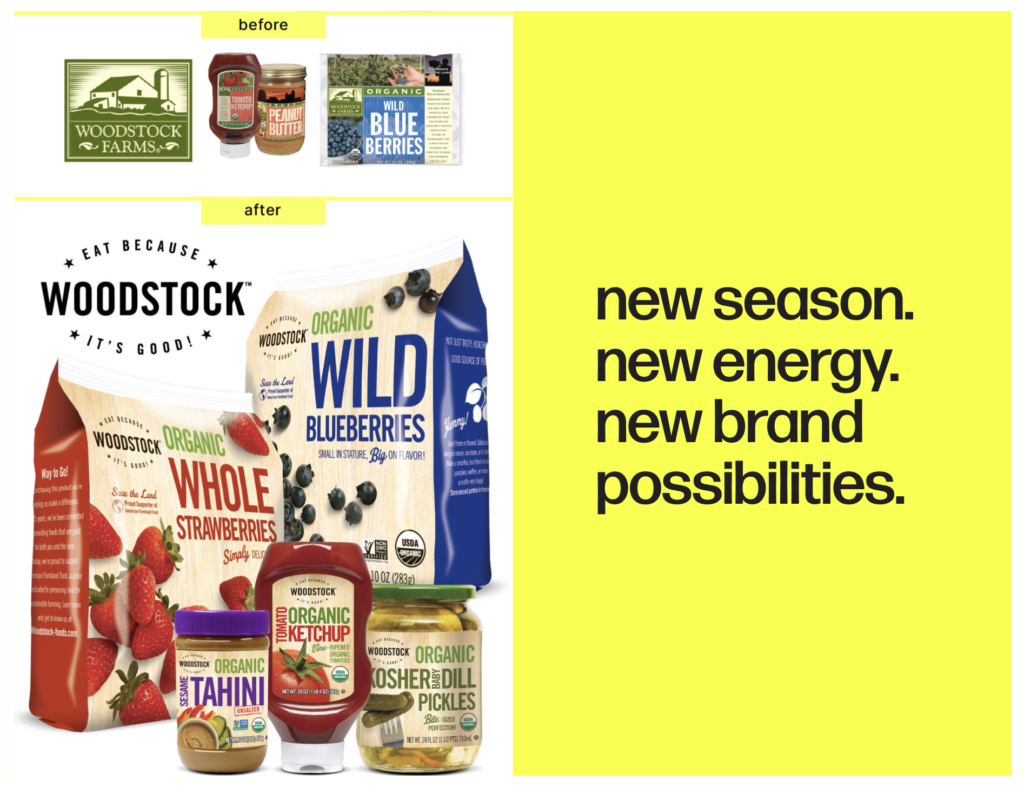
It helps people know what to notice first, what to read next, and what matters most. Without hierarchy, everything competes for attention at the same time, and the message can get lost. Imagine asking a question, and getting ten people talk all at once. That is what it feels like if a package design, for instance, has too many callouts, certification, descriptions, etc.
02. why it matters
Good hierarchy makes design easier to understand.
Whether it’s a website, brochure, social graphic, ad, or package, hierarchy creates clarity, improves readability, and makes a piece feel more intentional. Knowing how to use hierarchy becomes even more critical in instances where a consumer has a few seconds to make a decision, such as a retail environment. Andrea Fraboni, NielsenIQ’s global practice lead for packaging and design, says most shoppers spend roughly 20 seconds at the shelf in a given category, and that most of what packaging does at that point is non-conscious and highly visual.
03. how hierarchy works
Designers create hierarchy in a few different ways:
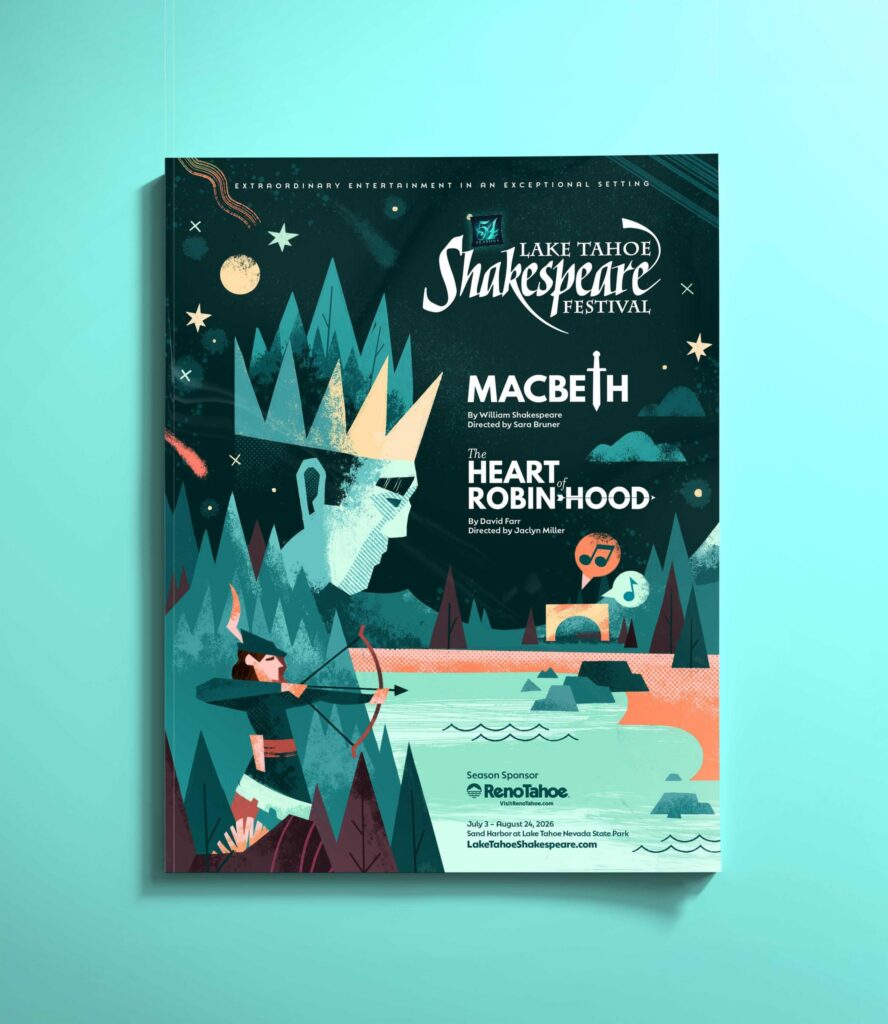
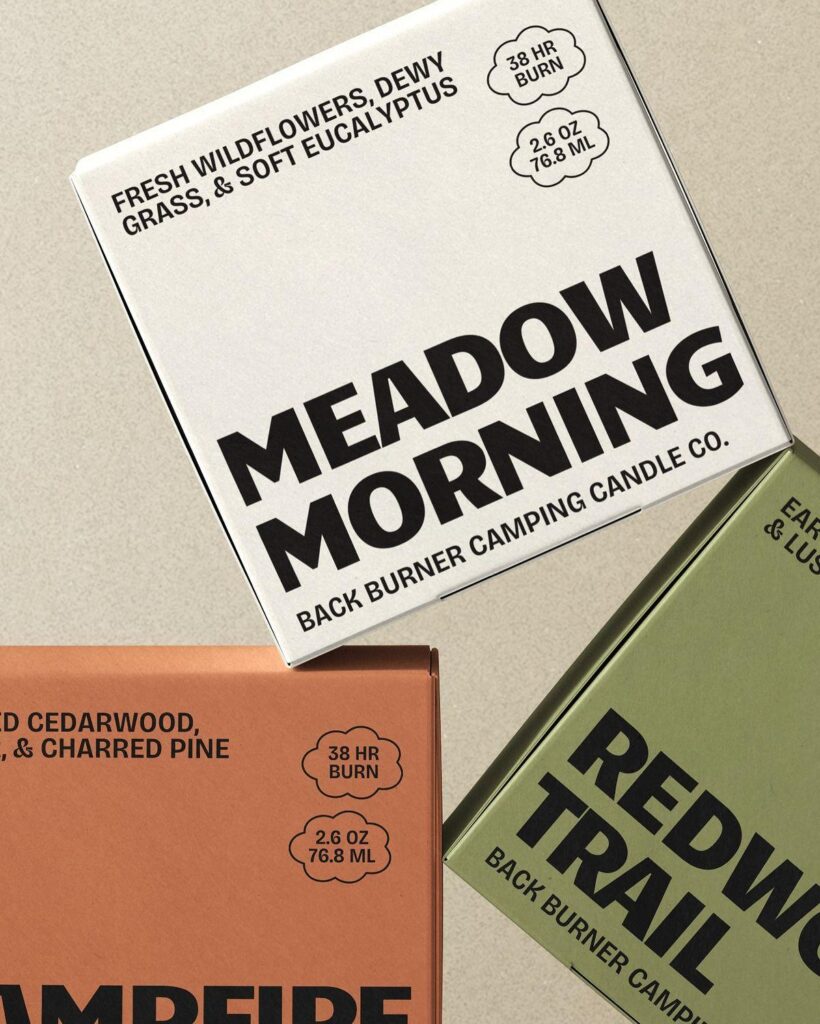
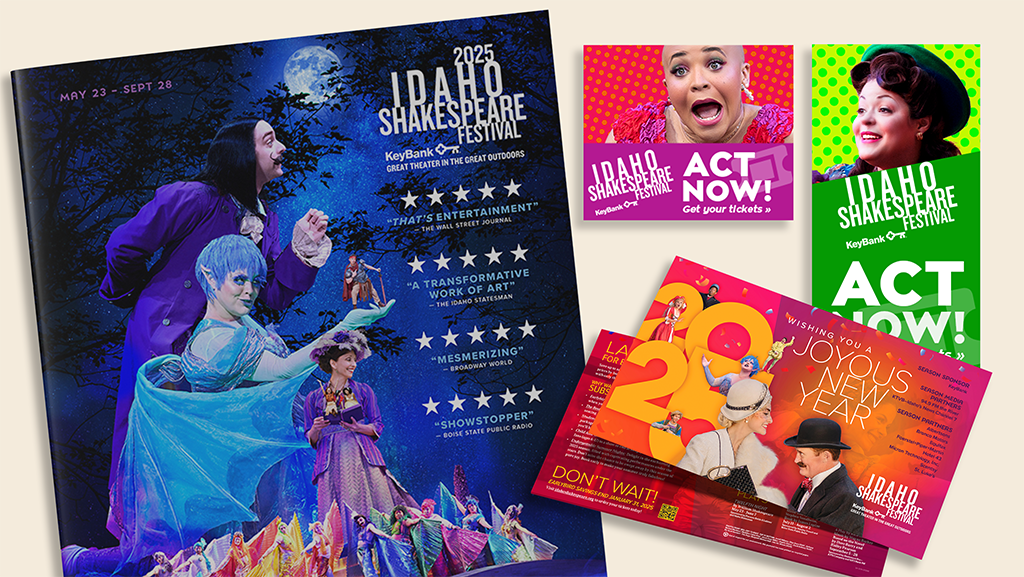
- Size – Larger elements naturally grab attention first
- Weight – Bold text stands out more than lighter text
- Color – Contrast can highlight key information
- Placement – Where something appears affects how quickly it’s seen
- Spacing – Giving elements room helps important content stand out
These small choices work together to lead the viewer in a purposeful way.
need help bringing clarity to your brand?
If your materials need a clearer message, stronger structure, or a more thoughtful visual approach, we’d love to help.
Get in touch with FPM for your next project!
until next time,