
A name is the smallest unit of brand strategy and the one with the highest leverage. It’s the first thing a consumer encounters, the last thing they remember, and the only asset that travels with the product across every channel, from shelf to search bar to word of mouth. Get it wrong and no amount of packaging design will compensate. Get it right and the name does half the marketing for you.
Below is a working framework for evaluating a name candidate, structured around what separates names that earn their place on shelf from names that quietly underperform.

01. dos
- Anchor the name in a single, ownable idea.
The strongest names compress a positioning into one word or phrase. They don’t try to communicate flavor, function, and philosophy simultaneously. Pick the one idea worth owning and let the rest of the brand system carry the remainder. - Design for trademark clearance from day one.
Run a preliminary USPTO TESS search before falling in love with a candidate. A name you cannot legally own is a name you cannot build equity in, no matter how well it tests in a focus group. - Build in linguistic headroom for category or geographic expansion.
A name that only works for one SKU in one format creates a naming problem again in eighteen months. The best names flex across line extensions without contorting.
02. don’ts
- Don’t default to descriptive names when distinctiveness is available.
A name that simply describes the product (the literal ingredient, the literal function) is the easiest to clear legally and the hardest to defend competitively. Descriptive names are rarely protectable trademarks and rarely memorable ones either. - Don’t chase trend-driven language.
Names built on a current cultural moment (a slang term, a meme reference, a wellness buzzword) age at the speed of the trend itself. A name needs to survive the product’s shelf life, not just its launch quarter. - Don’t over-index on internal enthusiasm.
A name that delights the room that invented it can still fail with the shopper standing at shelf with zero context. Internal affection for a name is not a research signal.
ready for the fun part?
The good news: rigor and creativity aren’t in conflict here. The most memorable names on shelf are usually the ones that cleared every practical test first, which freed the team to be bolder with the idea itself.
Skip that groundwork and the industry has no shortage of cautionary tales, like Bimbo Bread, a name that means sweet bread in Spanish and works fine across most of the world, but still earns a double take on every U.S. grocery shelf it appears on. Or take IKEA’s children’s workbench, sold under the name Fartfull: In Swedish, fartfull simply means speedy or full speed. It became infamous globally, leading to hilarious misinterpretations by English speakers.
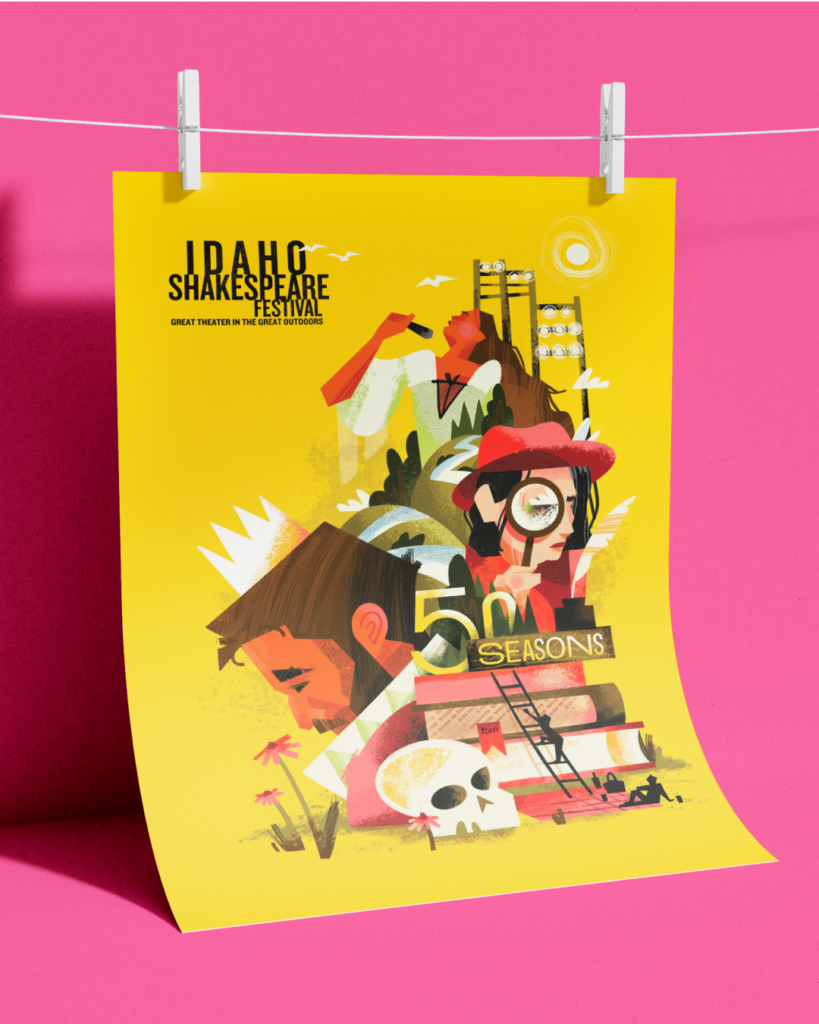
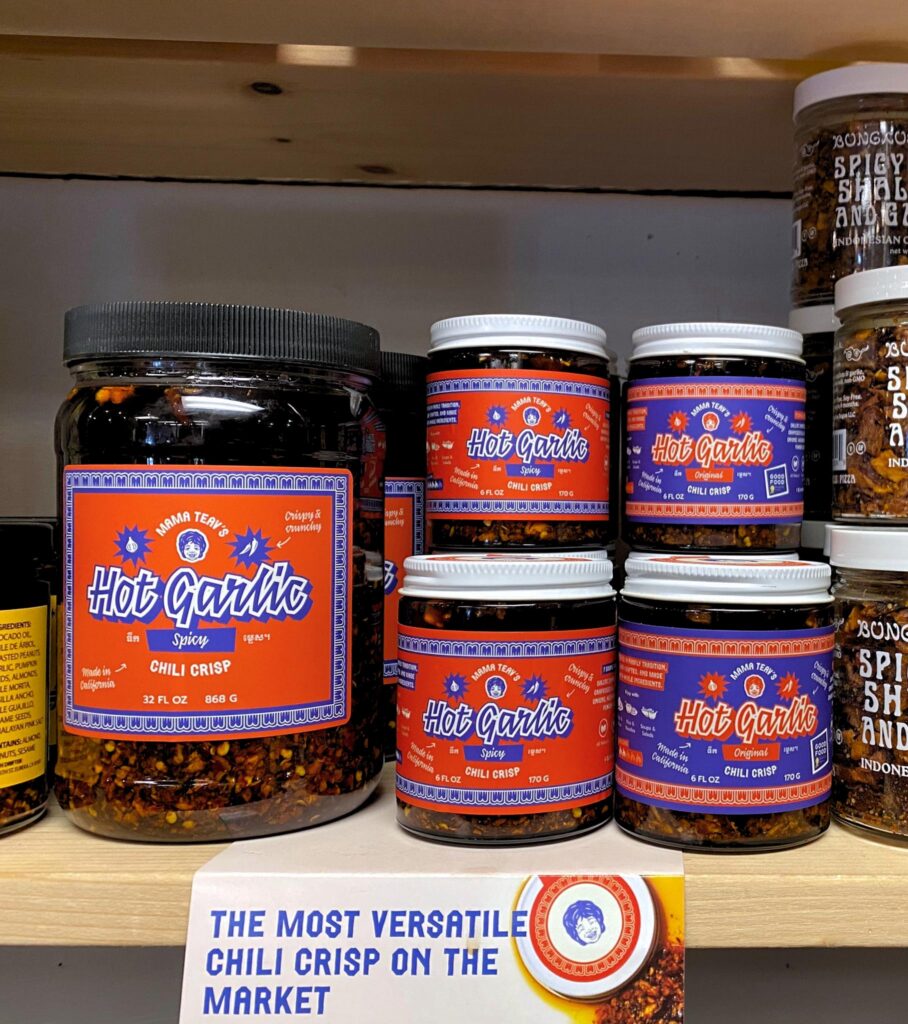
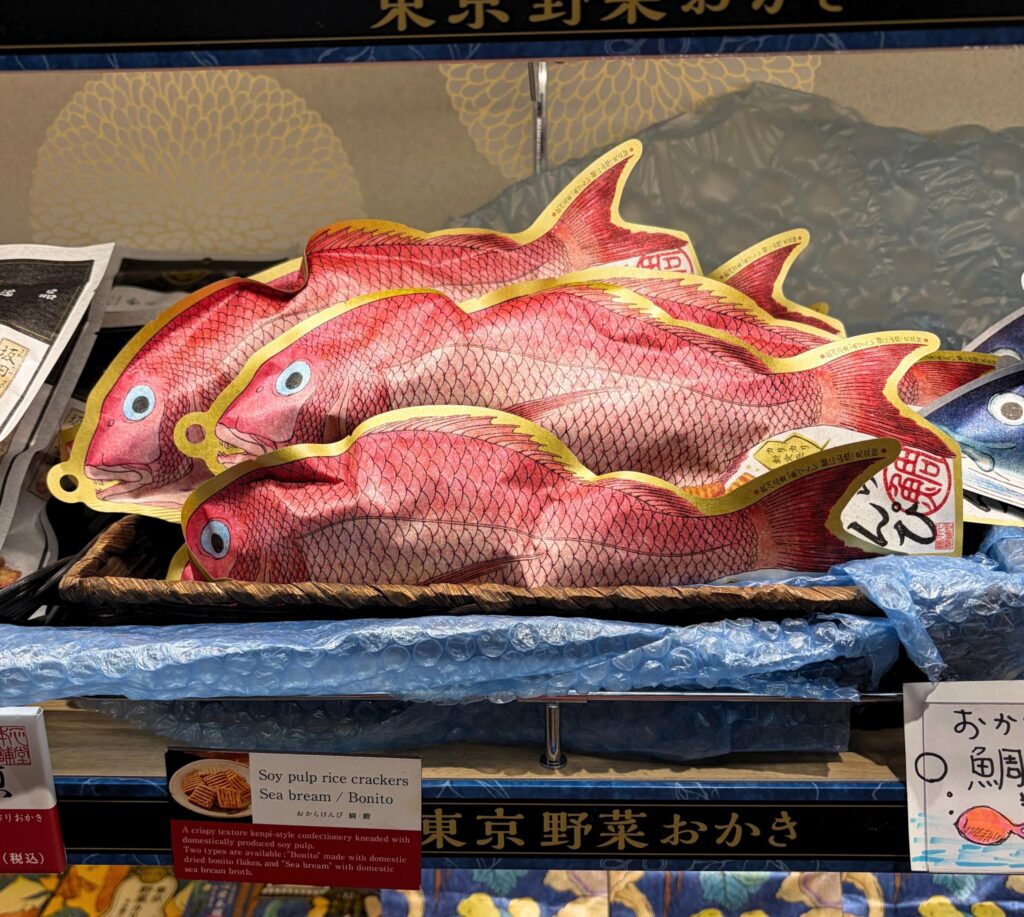
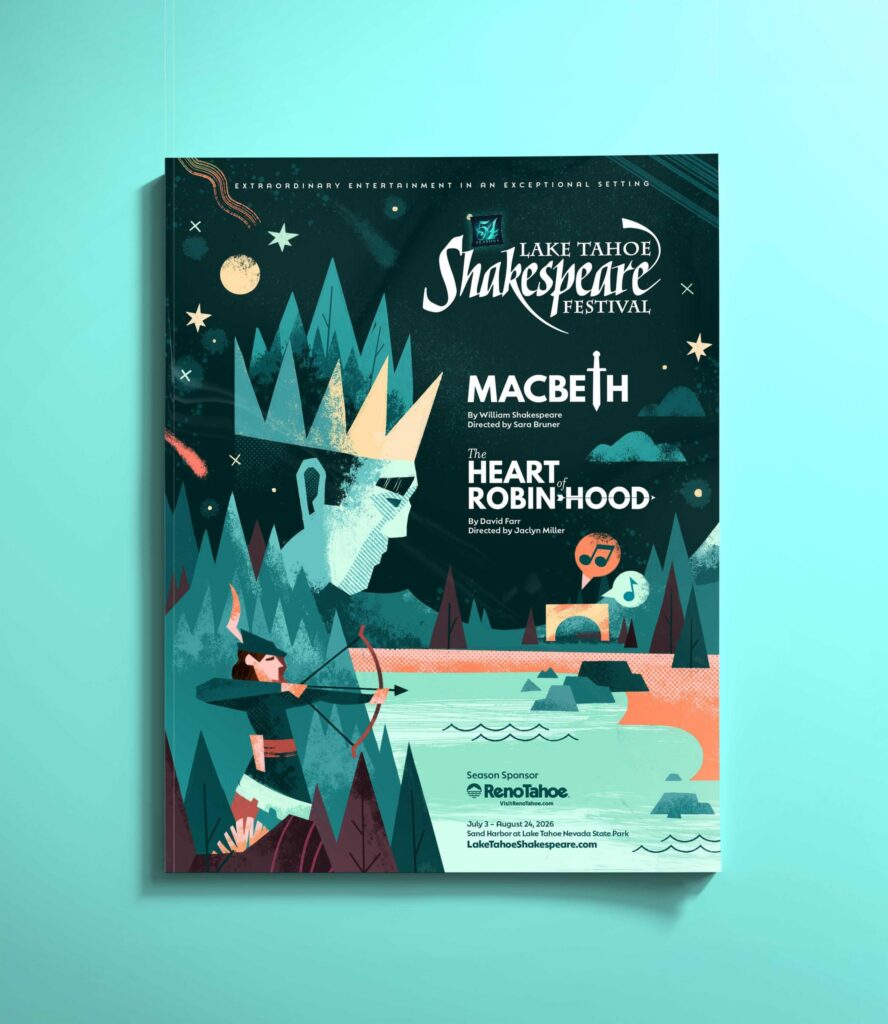
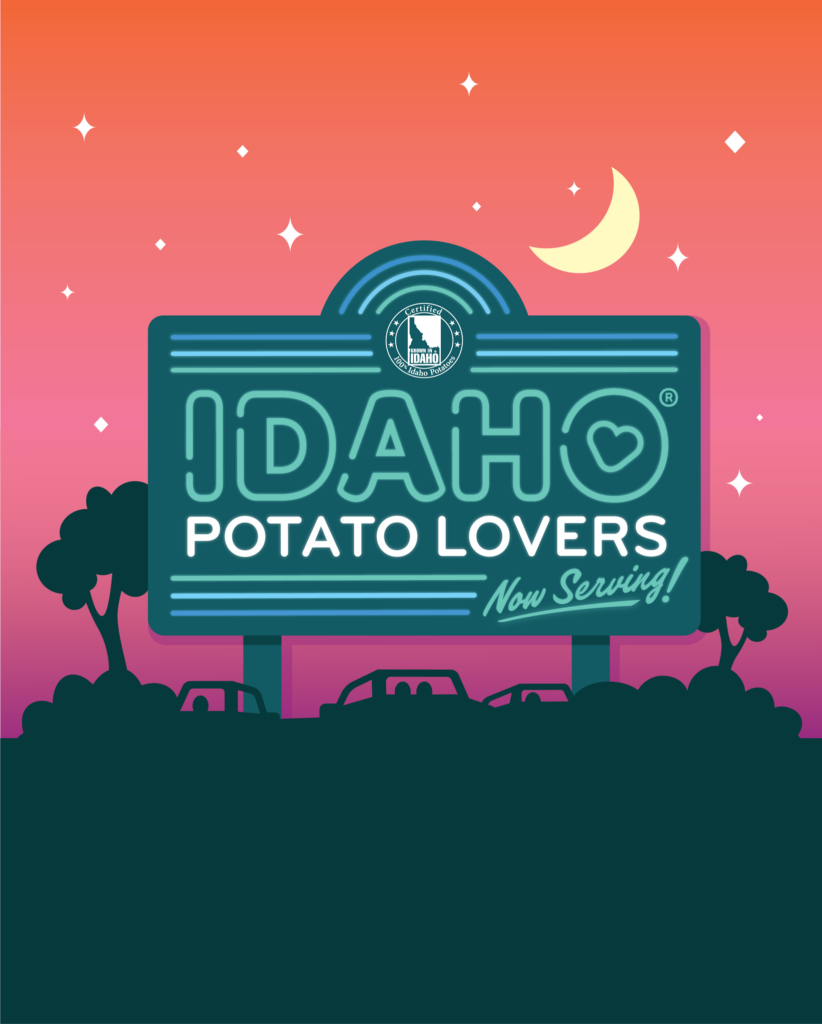
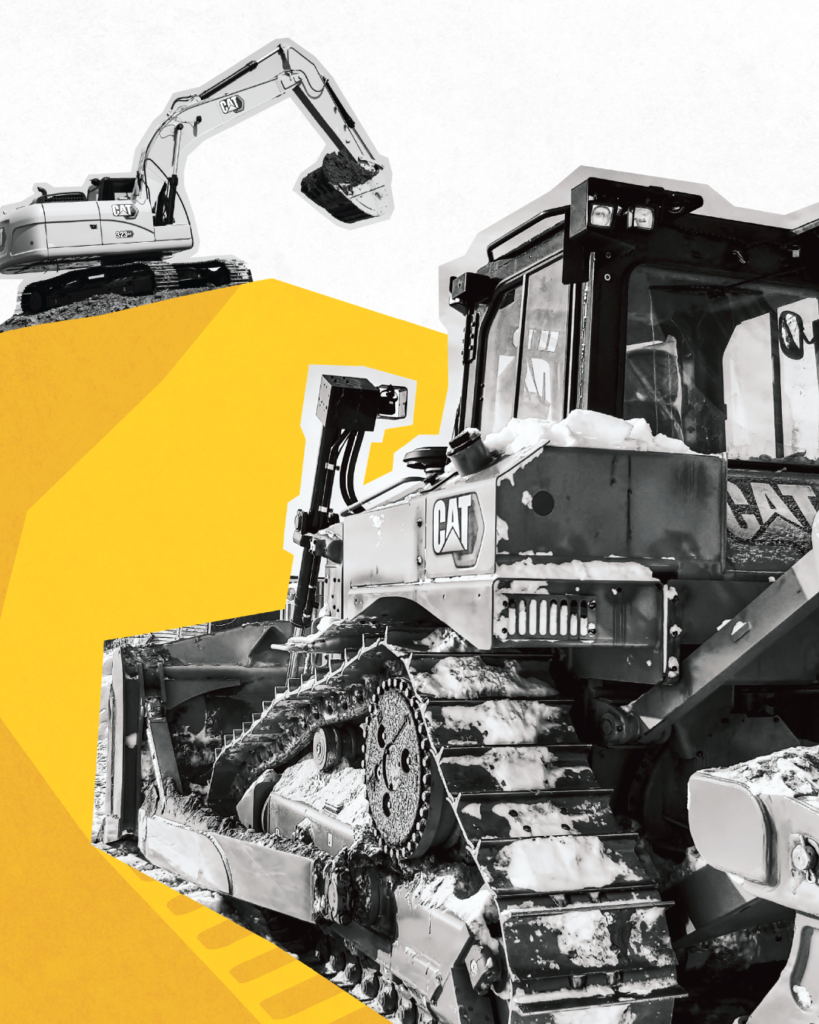
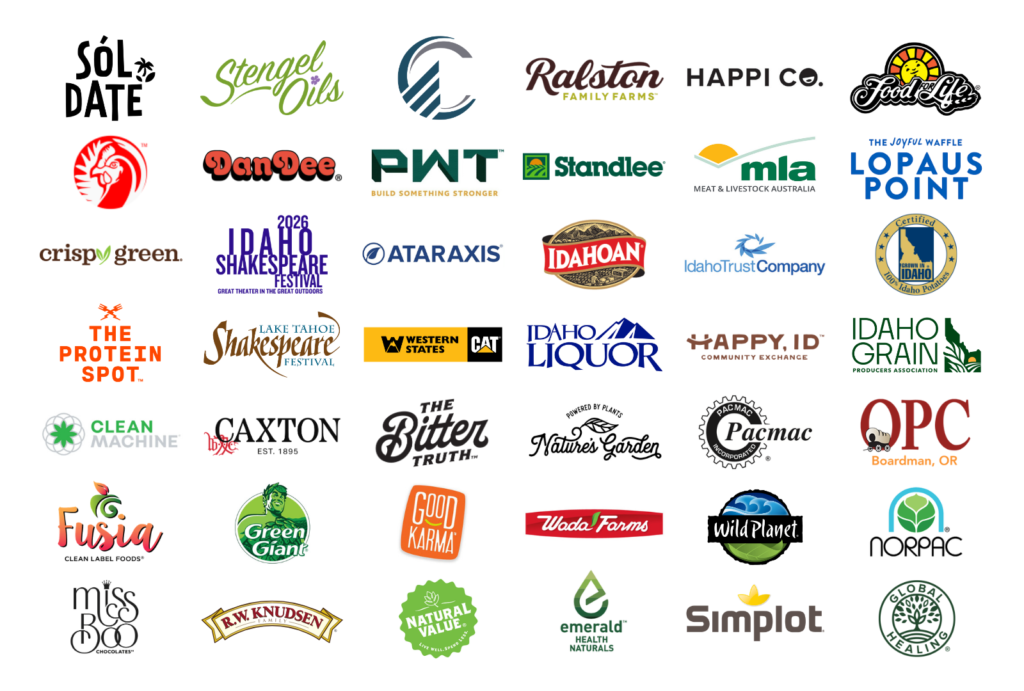
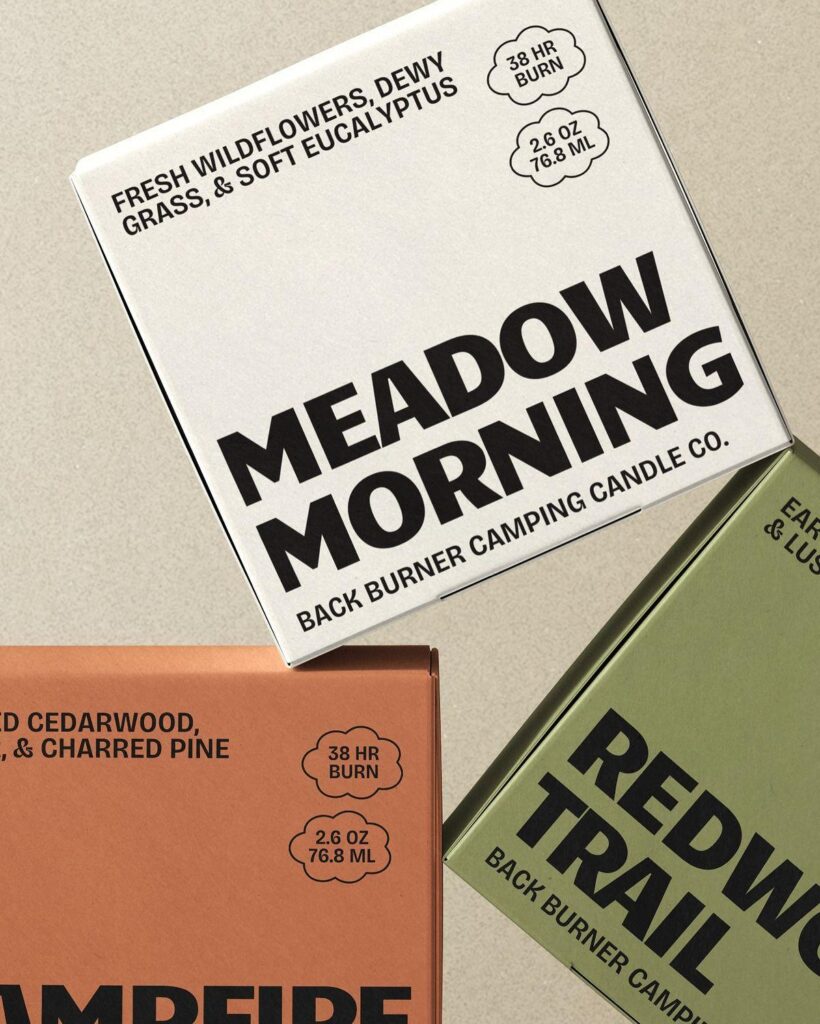
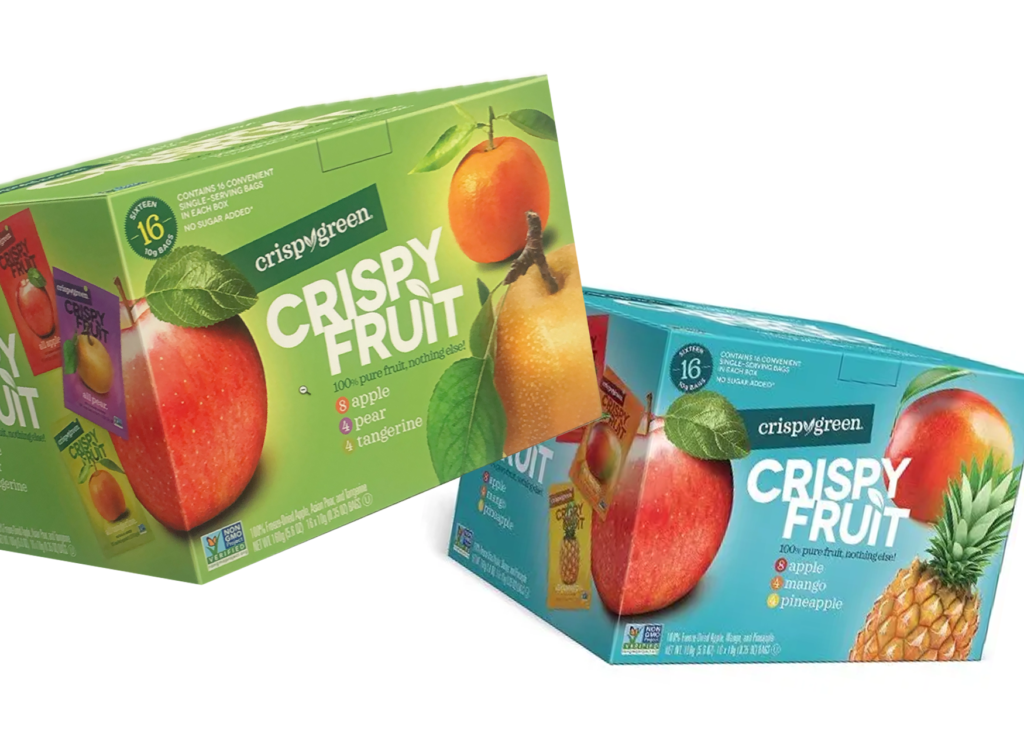
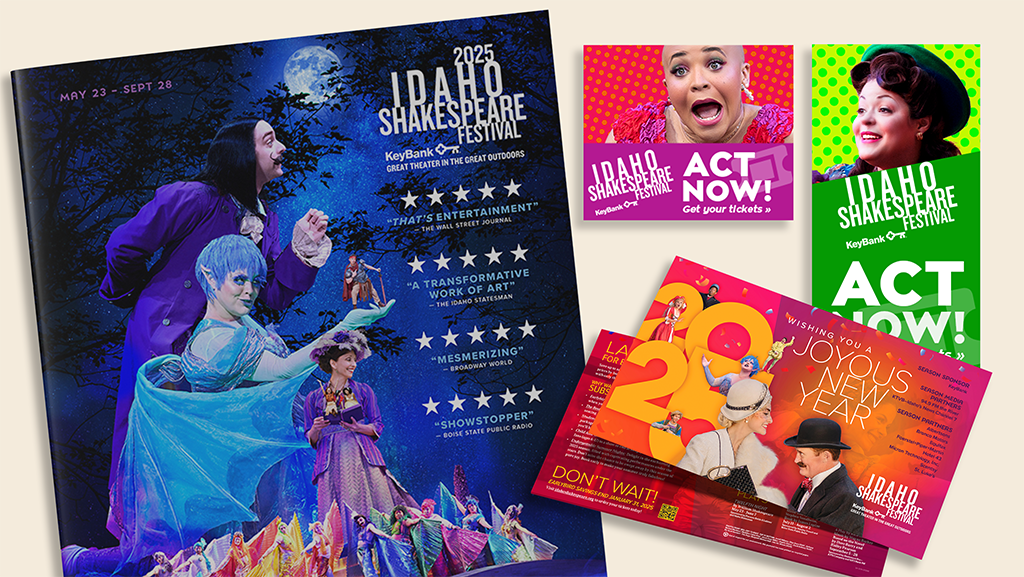
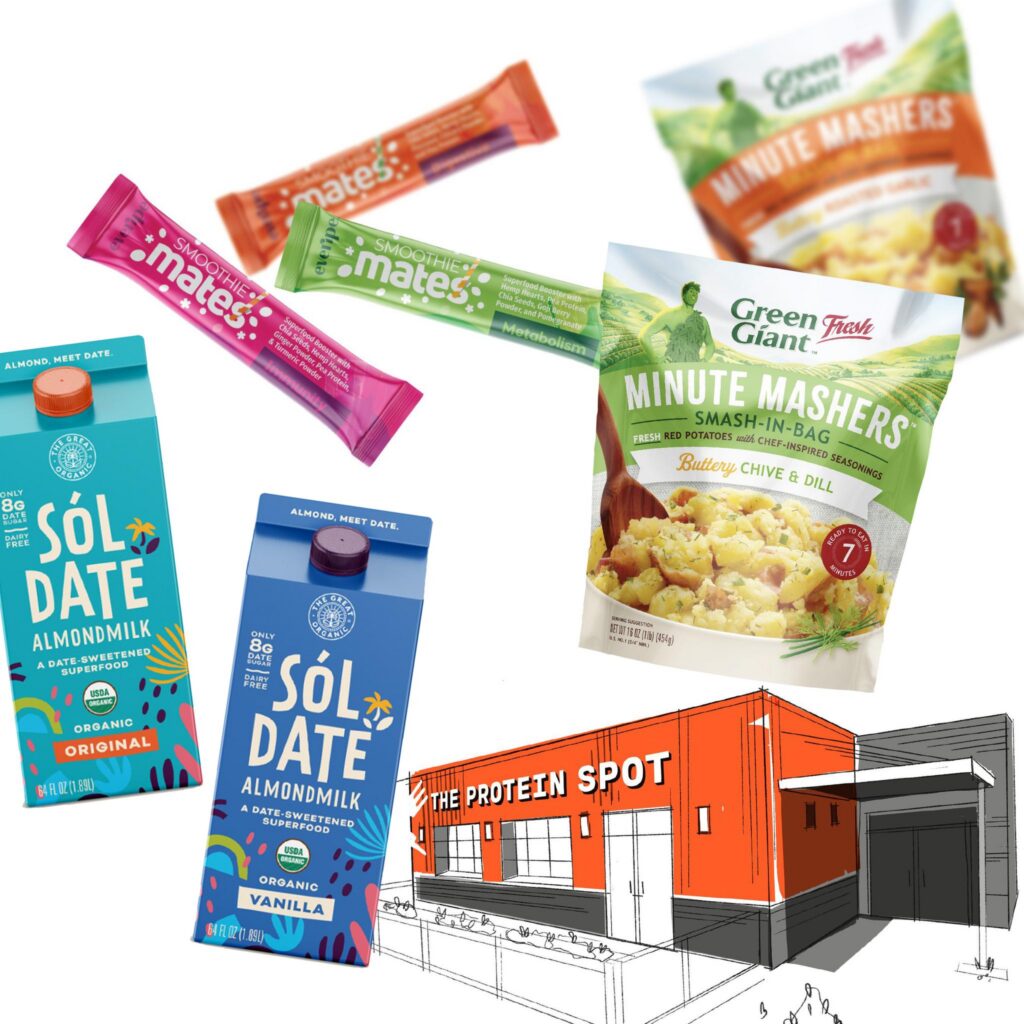
And to finish, here are some example of products and services FPM has named!
loving it all?
If you’re loving what you’re seeing and craving more, please click the link below to book a 30 minute consultation with our branding and marketing experts.
until next time,