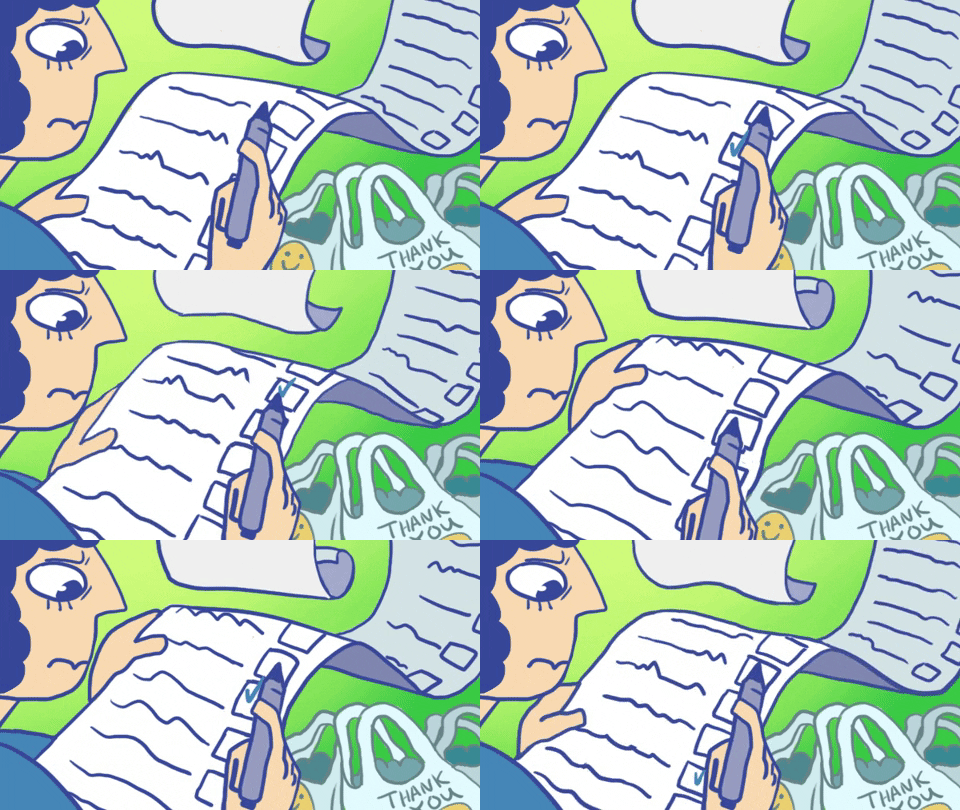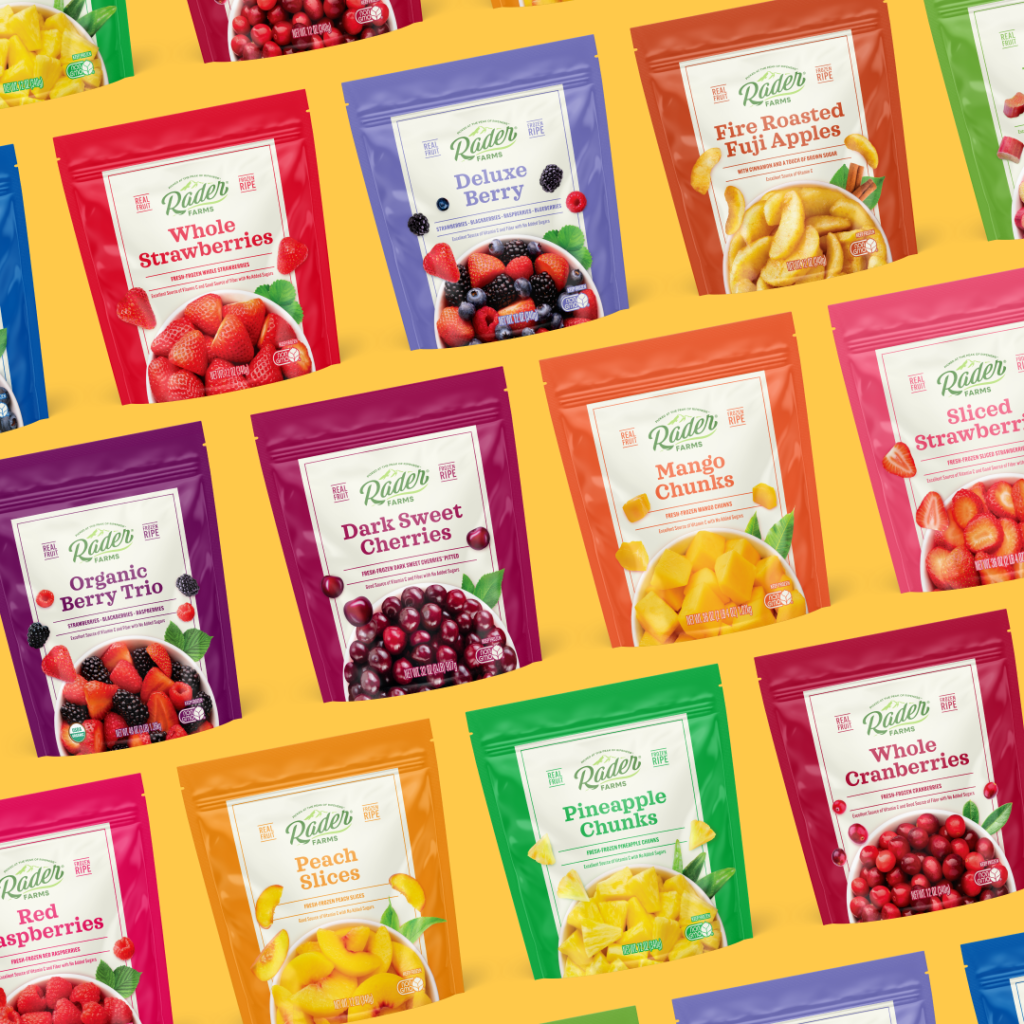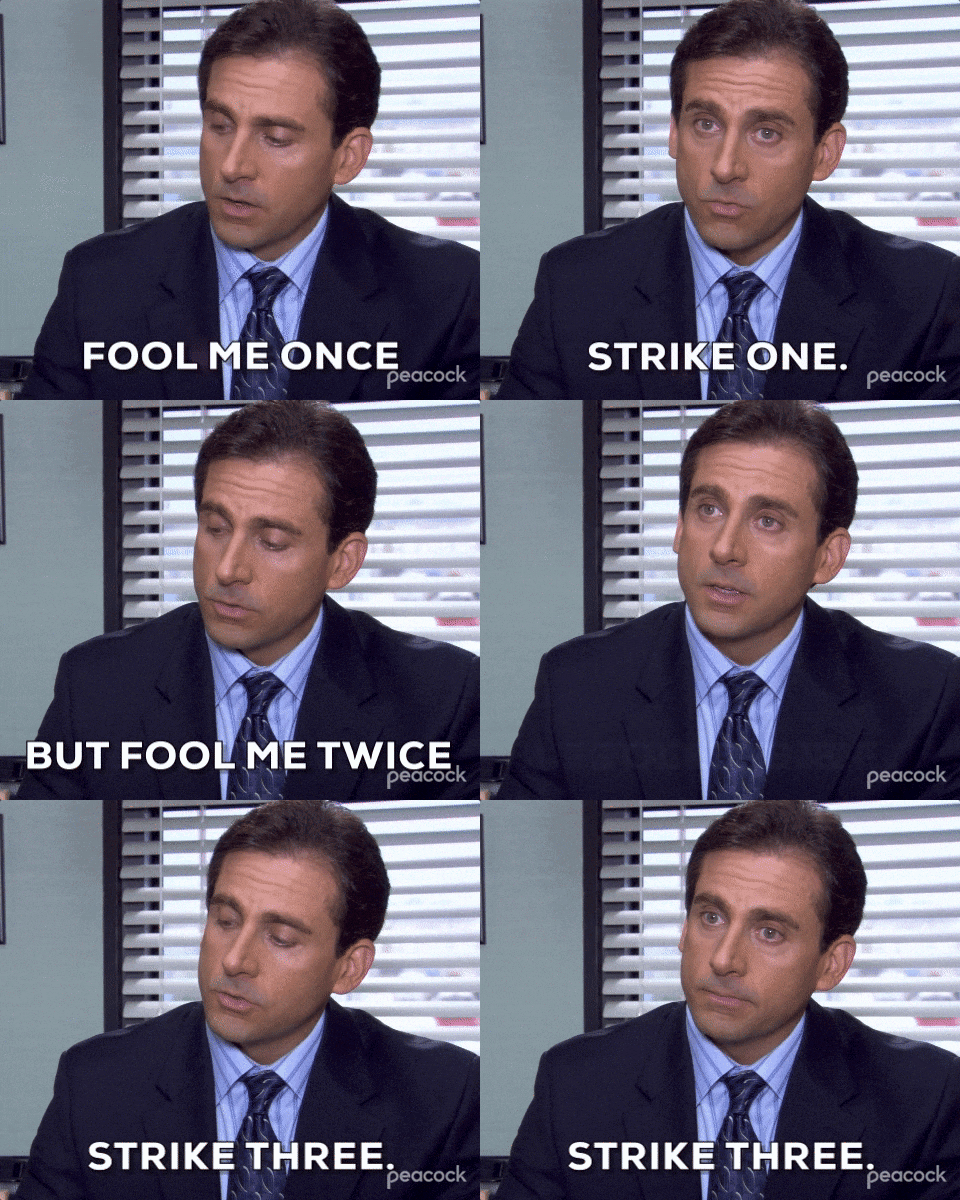

The holiday season is full of limited editions, countdowns, exclusive releases, and last-chance offers. There’s a reason brands lean into this language: scarcity gets our attention.
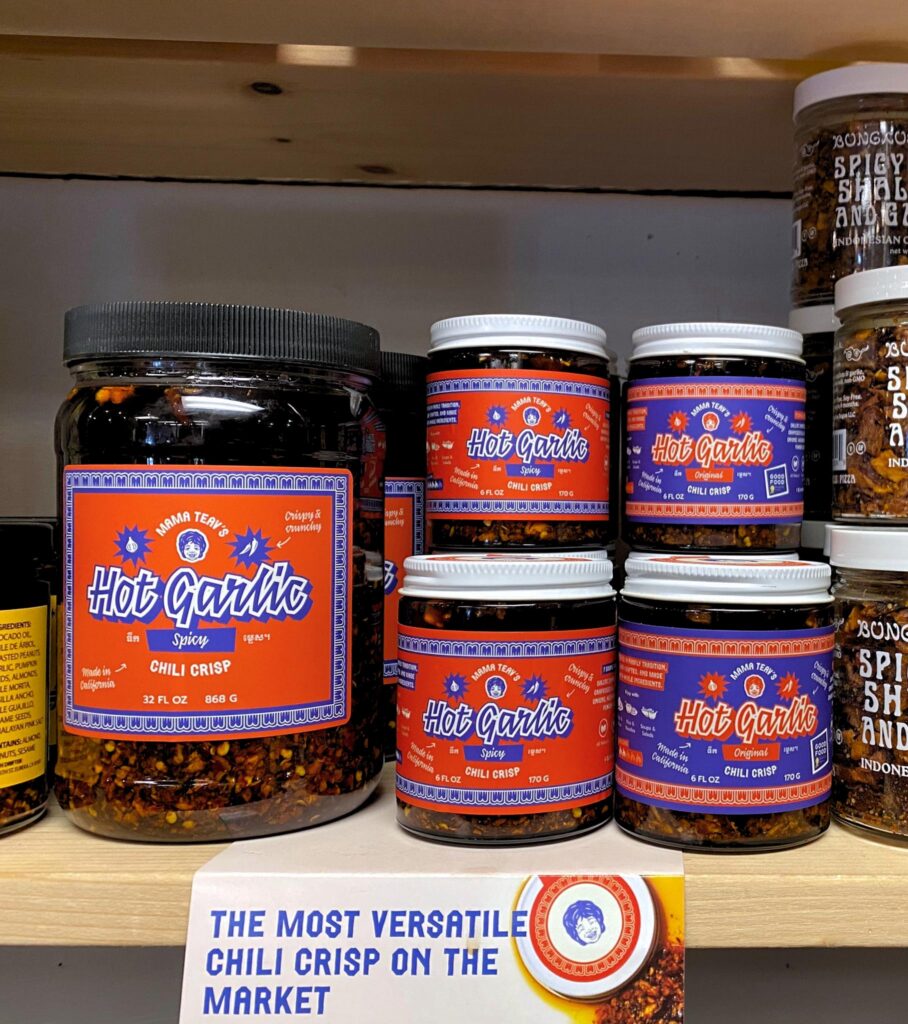
When something feels limited, whether by time, quantity, or availability, we tend to see it as more valuable. But scarcity isn’t just a marketing tactic. When paired with thoughtful design, it can create urgency, establish hierarchy, and help guide customers toward action.
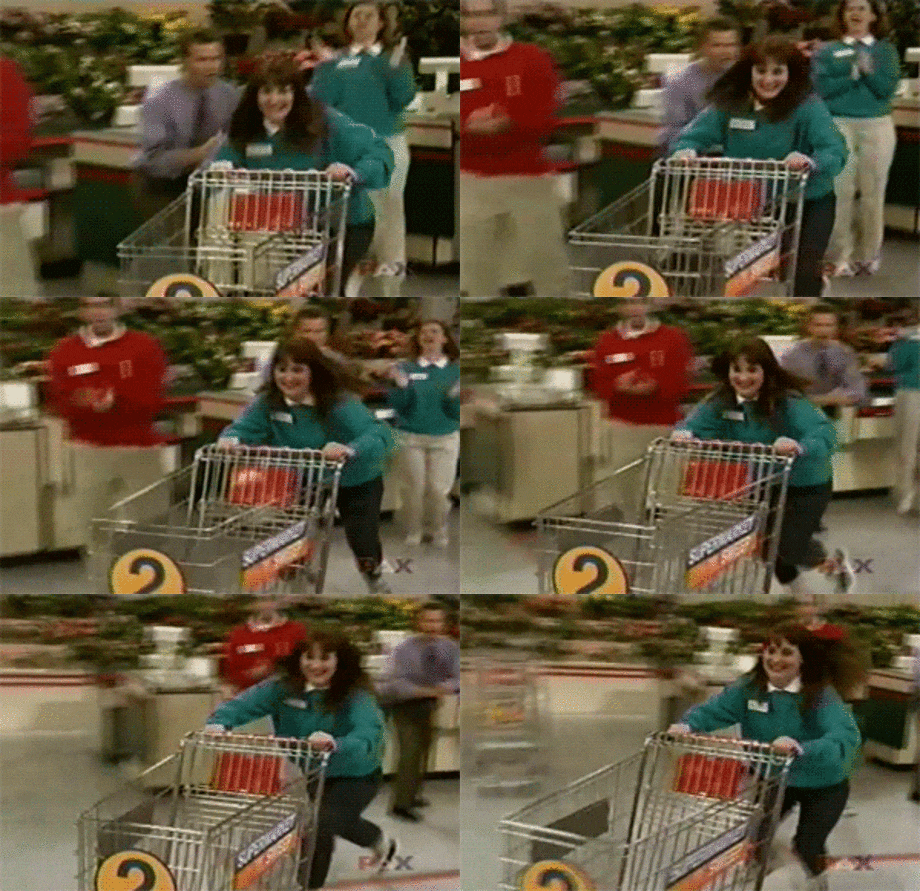
01. creating a sense of urgency
“Only a few left.” “Ends Sunday.” “Holiday exclusive.”
Scarcity works because limited availability can change the way we perceive something. The American Psychological Association defines the scarcity principle as the tendency to assign greater value to opportunities or resources that feel limited or rare.
Persuasion researcher Robert Cialdini puts it even more simply: “People want more of those things they can have less of.”
During the holidays, this strategy feels especially relevant. Seasonal products, shipping cutoffs, event dates, and limited-time promotions already come with natural deadlines, giving brands an opportunity to create urgency without manufacturing it.
02. cookies
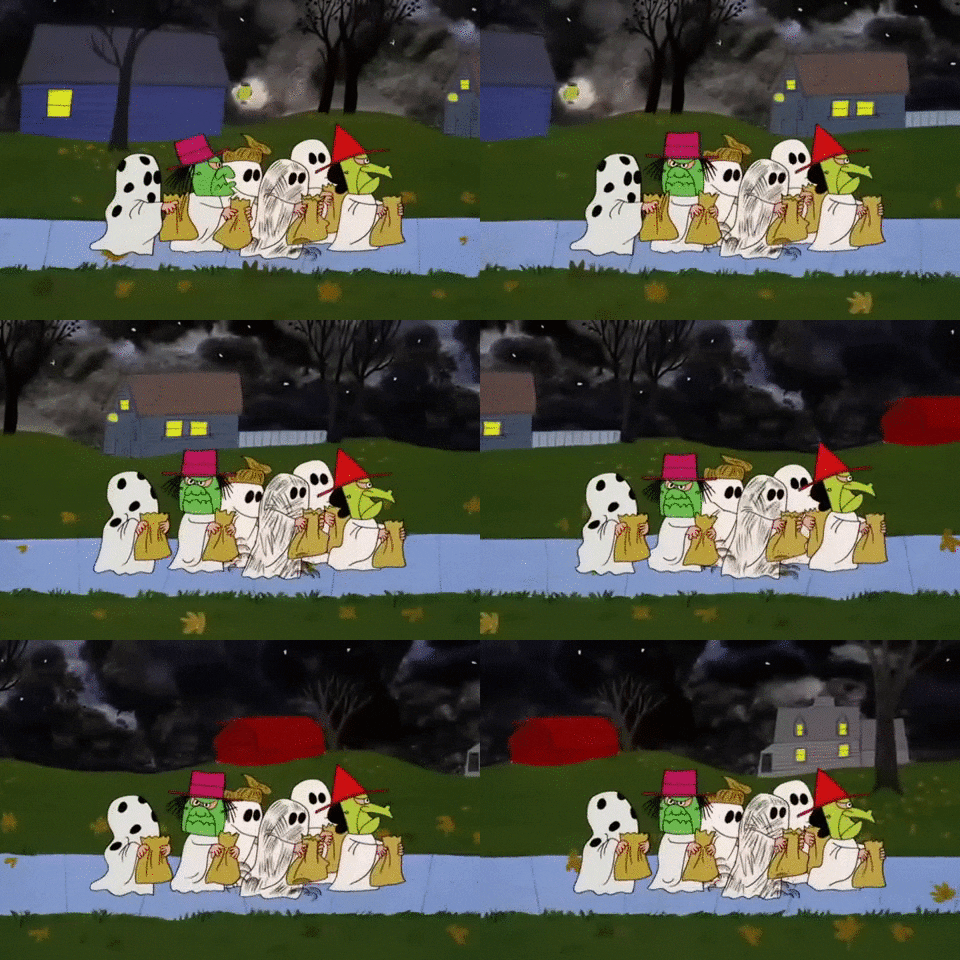
One of the classic studies on scarcity involved something surprisingly simple: cookies.
In a 1975 study published in the Journal of Personality and Social Psychology, participants evaluated cookies presented in either abundant or scarce quantities. Researchers found that the cookies in scarce supply were rated as more desirable than those that appeared plentiful.
Same cookies. Different availability.
It’s a great example of how context can influence perceived value, and why phrases like “limited edition” or “while supplies last” can have such an impact.
03. why we want what’s almost gone
The words might create urgency, but design determines whether people notice them.
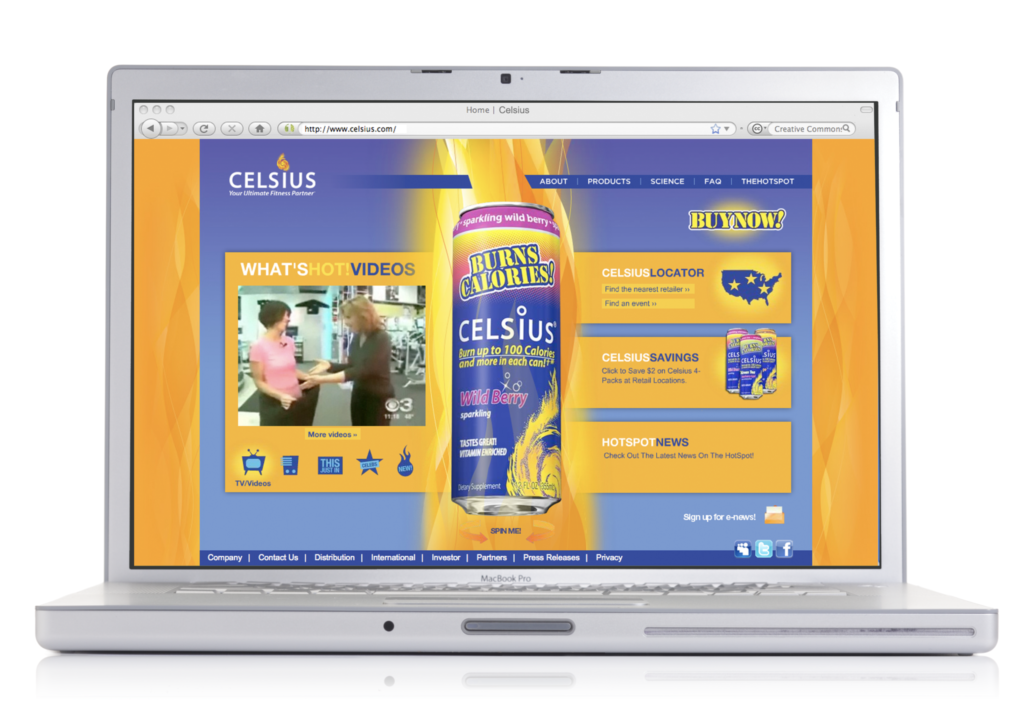
A bold headline, contrasting callout, intentional placement, or clearly defined CTA can bring limited-time information to the front of the visual hierarchy.
The goal isn’t to make everything scream for attention. It’s to decide what matters most and use design to lead the eye there.
04. keep it real
Scarcity is most effective when it reflects something that is actually limited.
If an offer ends Friday, say so. If only 100 were made, highlight it. If a product is truly seasonal, make that exclusivity part of the story. Cialdini has also emphasized the importance of using persuasion principles ethically, uncovering genuine scarcity rather than manufacturing it.
Authentic urgency gives customers useful information and a reason to act. Paired with strategic design, it can create excitement without making a brand feel pushy.
thoughtful strategy. thoughtful design.
Great design isn’t only about making something look good. It’s about understanding how people see, process, and respond to information.
Whether you’re planning a holiday campaign, launching a new product, or refreshing your everyday marketing, FPM can help turn the strategy behind your message into design that gets noticed.
Have a project coming up? Let’s create something that works as good as it looks.
until next time,